

TheMagic5 Swimming Blog
Swimming is a critical component of any triathlon, and effective swim training can make a significant difference on race day. Triathlon swim workouts focus on building speed, endurance, and efficiency. Structured, purposeful sessions help athletes gain confidence in the water, conserve energy for the bike and run, and improve overall performance.
To maximize your swim performance, it’s essential to train with intention and consistency. By focusing on technique, pacing, and race-specific endurance, you can swim farther, faster, and with less effort. The right workouts not only improve your speed but also help you manage fatigue, maintain consistency, and approach race day with confidence, setting you up for a smoother transition to the bike and run legs.
Triathlon swim workouts prioritize sustainable effort and efficiency over advanced stroke specialization or maximum speed. Unlike competitive swim training, which often focuses on lap times or stroke perfection, triathlon training emphasizes:
By focusing on efficiency and controlled effort, triathletes can build endurance while reducing the risk of overuse injuries.
Consistency is essential for triathlon swim progress. Training frequency depends on experience, goals, and race distance:
Short, focused sessions are often more effective than infrequent long swims. Spreading workouts throughout the week allows for recovery and reinforces proper technique and pacing.
Beginner triathlon swim workouts are designed to introduce structured training without overwhelming new athletes. The focus is on confidence, consistent pacing, and basic endurance.
Beginner sessions emphasize:
Warm Up
Main Set
Cool Down
This structure helps beginners build endurance while maintaining comfort and proper form in the water.
Sprint triathlons involve shorter, faster swim distances, usually 400–750 meters. Sprint workouts emphasize controlled intensity, efficiency, and pacing.
Warm Up
Main Set
Cool Down
Sprint workouts train athletes to sustain speed while maintaining efficiency, which is key for shorter race distances.

As athletes advance, swim training should focus on building endurance, improving efficiency, and maintaining consistency.
These workouts develop physical and mental stamina while reinforcing smooth stroke mechanics.
Efficiency reduces energy expenditure, leaving more for the bike and run:
Improved swim economy helps athletes complete the swim leg with less fatigue.
Many triathletes train primarily in pools. Properly structured pool workouts still prepare athletes effectively for open water:
To simulate open water conditions:
These adjustments bridge the gap between pool training and race day.
Avoiding common pitfalls ensures steady progress and reduces frustration:
Structured, realistic, and consistent training helps triathletes improve safely and effectively.
Effective triathlon swim training emphasizes endurance, efficiency, and pacing. Structured workouts build confidence, improve consistency, and prepare athletes for both sprint and longer-distance races. Regular swim practice supports smoother transitions to bike and run segments, enhancing overall race performance.
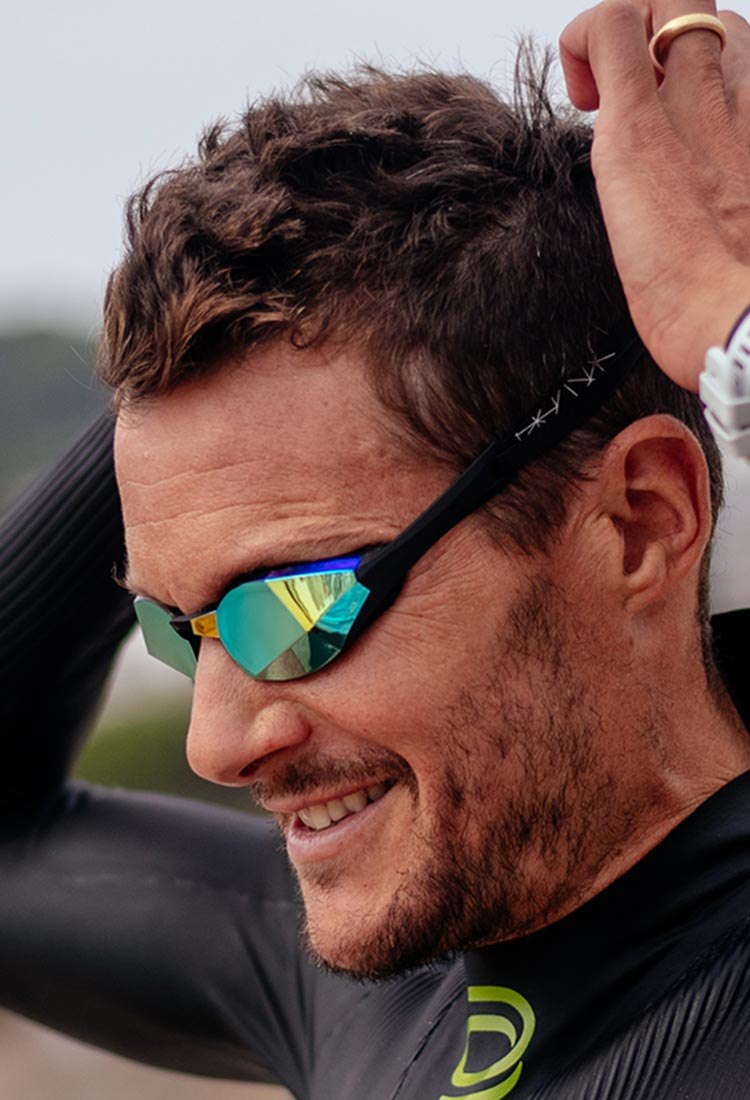
Explore goggles designed for triathlon swimming to ensure comfort, visibility, and performance during both training sessions and race day.
Structured sessions aimed at improving endurance, efficiency, and pacing for triathlon races.
They focus on sustainable effort and efficiency rather than maximum speed or stroke specialization.
Beginners: 2–3 sessions per week. Intermediate: 3–4 sessions per week, based on experience and goals.
Short intervals, rest periods, and steady pacing to build confidence and consistency.
How do sprint triathlon swim workouts differ?
Shorter intervals at slightly faster efforts to match the intensity of sprint races.
Yes, pool sessions can effectively prepare athletes for open water with proper structure.
Most athletes notice improved comfort and efficiency within a few weeks of consistent training.
Swim workouts are essential, but combining them with open water practice and balanced triathlon training yields the best results.
Look Like
Please enter your Team Passcode below
From a quick smartphone scan, our internal AI analyzes your facial structure and determines the optimal fit, generating a custom design made only for you. Using specialized machine learning models, we transform your data into perfectly fitted swim goggles. Learn more here.
We offer standard and express shipping options.
USA (Shipped from New York)
Standard: 6-days
Express: 3-days
International (Shipped from New York)
Standard: 14-days*
Express: 3-5 days
*Applies to most countries, variations might apply locally. This will be shown at checkout.


