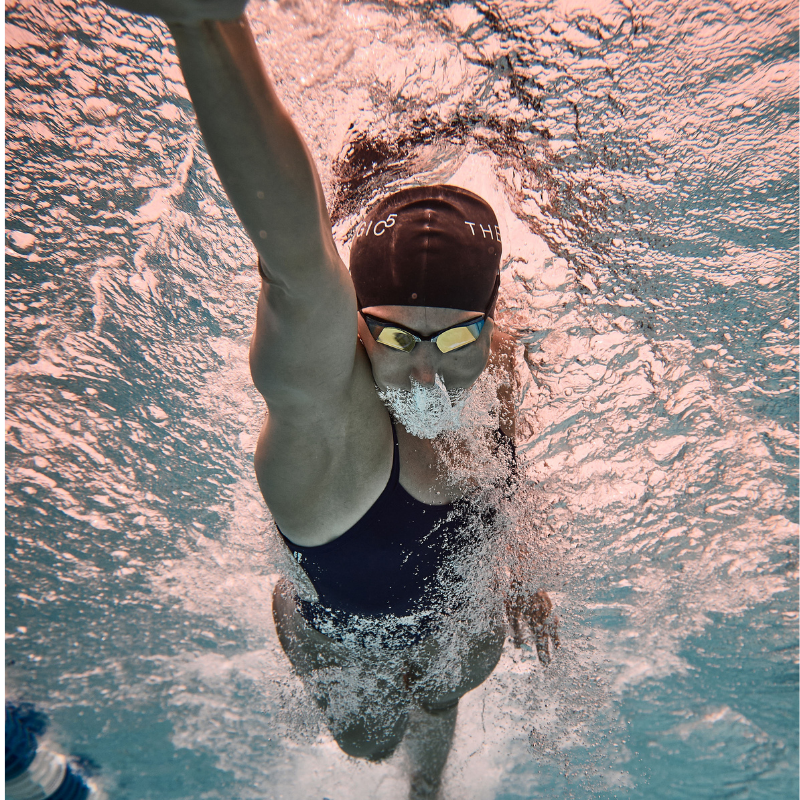
Shoulder discomfort is one of the most common challenges swimmers face. Often referred to as swimmer’s shoulder, this overuse issue can affect comfort, technique, and consistency in the water. Understanding what causes shoulder pain and how to manage it can help you stay active, confident, and focused on enjoying your time in the pool.

This guide explains swimmer’s shoulder in clear, practical terms, covering symptoms, causes, treatment approaches, and prevention strategies to help support long term shoulder health.

What Is Swimmer’s Shoulder?

Swimmer’s shoulder is an umbrella term used to describe shoulder pain linked to repetitive swimming movements. Rather than a single diagnosis, it refers to a group of symptoms that develop from repeated overhead motion, muscle imbalance, or strain on the shoulder joint.

Because swimming involves continuous arm rotation and pulling movements, the shoulder can become irritated over time, especially when technique, training habits, or mobility are not well balanced.


Common Symptoms of Swimmer’s Shoulder

Swimmer’s shoulder may present gradually and become more noticeable during or after swim sessions. Common symptoms include:

  • Pain: Discomfort during or after swimming.

  • Weakness: Reduced strength when pulling through the water.

  • Reduced Range of Motion: Difficulty moving the shoulder freely.

  • Lingering Soreness: Ongoing discomfort that may affect daily movements.

Recognizing early warning signs can help prevent minor issues from developing into more serious injuries.

What Causes Swimmer’s Shoulder?

Overuse and Training Load

Repetitive overhead motion combined with sudden increases in swim volume or intensity can place excessive stress on the shoulder. Even small changes in routine can contribute to irritation if the body is not given time to adapt.

Technique and Biomechanics

Stroke habits such as overreaching, crossing over the midline, or pulling inefficiently can increase strain on the shoulder joint. Improving technique can often reduce unnecessary stress.

Muscle Imbalances and Limited Mobility

Weak stabilizing muscles or restricted mobility around the shoulders and upper back can create poor movement patterns, leading to discomfort over time.

Treating Swimmer’s Shoulder

Rest and Load Management

Temporarily reducing or modifying swim volume allows the shoulder to recover and prevents further irritation.

Swimmer’s Shoulder Exercises

Targeted exercises that improve shoulder stability, strengthen supporting muscles, and restore mobility can help improve function and reduce strain.

Recovery and Supportive Habits

Consistent warm ups, cooldowns, and recovery routines can support healthy movement patterns and reduce the likelihood of recurring discomfort.

How to Prevent Swimmer’s Shoulder

Technique Awareness and Coaching

Regularly checking and refining technique helps ensure efficient movement and reduces unnecessary stress on the shoulder joint.

Strength Balance and Mobility

Balanced strength training, posture awareness, and mobility work support proper alignment and shoulder stability.

Gradual Progression and Recovery

Increase distance and intensity gradually. Allowing adequate recovery between sessions helps the body adapt and reduces the risk of overuse injuries.


Swimming With Shoulder Pain

If shoulder discomfort develops, consider reducing intensity or session length while focusing on gentle, controlled movements. Persistent or worsening pain may require temporary rest or professional evaluation to avoid further injury.

Summary: Managing and Preventing Swimmer’s Shoulder

Swimmer’s shoulder is commonly linked to repetitive motion, technique habits, and changes in training load. By understanding symptoms early and adopting balanced training and recovery practices, swimmers can reduce their risk and maintain long term comfort in the water.

Prioritizing technique, mobility, and gradual progression can make a significant difference in both performance and overall enjoyment of swimming.


FAQ: Swimmer’s Shoulder

What is swimmer’s shoulder?

A general term describing shoulder pain caused by repetitive swimming movements, often associated with overuse and muscle imbalance.

What are the most common swimmer’s shoulder symptoms?

Pain during or after swimming, weakness, reduced range of motion, and discomfort when lifting the arm.

What causes swimmer’s shoulder pain?
Repetitive overhead motion, inefficient technique, sudden increases in training load, and insufficient shoulder stability.

Can swimmer’s shoulder heal on its own?

Mild cases may improve with rest and reduced workload, while persistent discomfort often benefits from targeted exercises and technique adjustments.

What exercises help with swimmer’s shoulder?

Exercises that improve shoulder stability, strengthen supporting muscles, and restore mobility.

Should I stop swimming if I have swimmer’s shoulder?

Some individuals may continue at a reduced intensity, but ongoing pain may require temporary rest or professional guidance.

How long does swimmer’s shoulder take to recover?

Recovery time varies depending on severity, training habits, and consistency with rehabilitation and prevention strategies.

How can swimmer’s shoulder be prevented?

Focus on proper technique, gradual training progression, balanced strength training, and consistent recovery habits.

Look Like

Kasia

    1 out of ...