Your race season is over. You're exhausted. Your body is beat up. The bike and running legs are screaming. And the last thing you want to do right now is jump into another hard training block.
You shouldn't. But staying completely idle isn't the answer either.
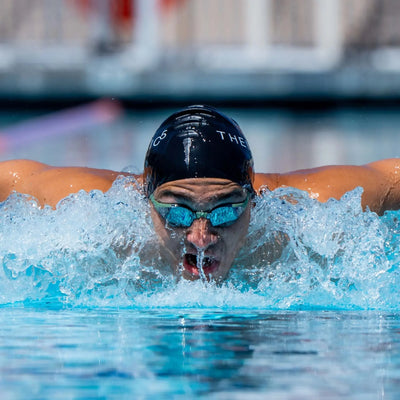
Post-season recovery isn't about rest alone - it's about active recovery. And for triathletes, that recovery looks different across three disciplines. Swimming, especially, becomes your secret weapon during this transition period. It's low-impact, it takes the pounding off your joints, and it gives you something structured to do without the intensity that's gotten you to this point.
This is the Back to Routine window: not training hard, but staying engaged. Using the water to decompress while your body actually recovers.
Why Swimming is Your Best Recovery Tool Right Now
Months of running and cycling have put repeated stress on your hips, knees, and ankles. Swimming removes that impact while keeping your cardiovascular system active, giving your joints the recovery they need.
It's mentally restorative, too. The rhythm and simplicity of swimming offer a break from the intensity of training - letting you switch off, decompress, and just swim.
7 Ways Swimming Helps Your Post-Season Recovery
1. Swap High-Impact Workouts for Low-Impact Water Time
Your knees and hips don't need another pounding right now. They need a break.
Replace 2–3 of your running sessions per week with easy pool swims. Same duration, same mental time, zero impact. Your cardiovascular system stays engaged, your legs get active recovery instead of more stress, and your joints finally get a break. The difference in how your body feels after two weeks is noticeable.
2. Use Swimming to Manage Fatigue Without Adding More Fatigue
You're tired. Your nervous system is fried. Jumping back into structured bike workouts or running intervals will deepen that fatigue, not relieve it.
Easy swimming sessions (30–40 minutes at a conversational pace) keep your body engaged without taxing your central nervous system the way higher-intensity work does. You're staying in the routine without adding the stress. That's exactly what post-season recovery needs.
3. The Water Naturally Reduces Training Load on Your Legs
Your running legs are dead. Your cycling legs are fried. Swimming is the only discipline where your legs are genuinely rested while you're still training.
Easy to moderate pool swimming activates your legs just enough to keep them loose and prevent stiffness, but without the pounding, resistance, or intensity. It's active movement without fatigue accumulation. Spend 2–3 sessions per week in the pool and your leg recovery will feel noticeably faster.
4. Consistency in the Water Keeps You Mentally in the Game
Post-season can feel aimless. No races, no structure, no reason to set an alarm. That mental void is where many athletes start to lose it.
Swimming 2–3 times per week gives you back that routine and purpose—without the pressure. You've got a schedule, you've got a place to be, you've got something to focus on. That consistency matters for mental health during a period that can otherwise feel empty.
5. Easy Swimming Improves Flexibility and Range of Motion
Months of racing stiffens you up. Running and cycling lockdown your hips and shoulders. Swimming opens all of that back up.
The full-body range of motion required by swimming—especially easy, drill-focused work—gently restores flexibility in your hips, shoulders, and core. You're moving through full range under zero load, which is exactly what recovery looks like. You'll feel looser and move better within two weeks.
6. The Pool Offers Mental Decompression When You Need It Most
Post-season psychology is real. You've been wound tight for months. Now there's nothing to prepare for, nowhere to go, and a lot of mental space that racing used to fill.
The pool is meditative. There's no decision-making, no pacing strategy, no competition. Just you, the water, and a simple pattern you repeat. For many athletes, those easy swim sessions become the mental reset that running or cycling can't provide during this specific window. It's not training. It's processing.
7. Invest in Goggles That Let You Just Show Up
Friction kills recovery routines. If your goggles don't fit, fog up, or cause pressure marks, you've got one more reason not to show up when you already feel unmotivated.
Reliable goggles—the kind that stay sealed, don't create red marks, and actually work across different pools—remove barriers to consistency. THEMAGIC5 goggles use OptimalFittingTechnology™, a 15-second phone scan that builds your precise custom fit. No leaking, no adjusting, no excuses. You show up to the water knowing your gear will work. That matters when you're recovering, not racing.
What Recovery Looks Like Right Now
Post-season doesn't mean stopping. It means:
- 2–3 easy swim sessions per week (30–50 minutes, conversational pace, no intensity)
- Easy, low-impact bike or run sessions (if you do them at all)
- Strength and mobility work (where your focus should actually be)
- Sleep, food, and actual recovery (the non-negotiable part)
- Time off the clock (no structure, no goals, just movement for the sake of it)
This isn't training. It's healing. The pool is the tool that makes healing feel like something other than forced rest.
The Point
Your body has earned this recovery. Your nervous system needs this break. And the water is where you actually get it—without feeling like you've stopped entirely.
Get to the pool this week. Stay loose, stay consistent, and let the water do what it does best: help you recover.
Your body will thank you.