6 Proven Drills to Improve Your Freestyle Stroke
4 commentaires
Love this tips!
Thanks! We can always find ways to improve!
A couple of tutorial videos would be good 😊
thanks you. very helpful
Love this tips!
Thanks! We can always find ways to improve!
A couple of tutorial videos would be good 😊
thanks you. very helpful
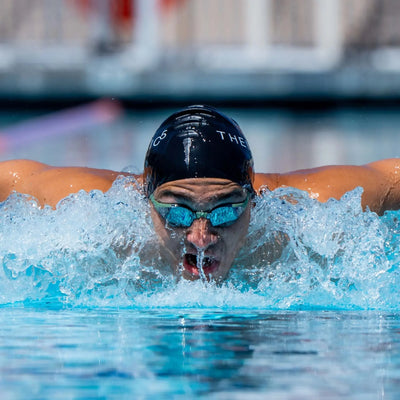
Freestyle is the most commonly used swimming stroke for fitness, competition, and triathlon, but simply swimming more laps isn't always the fastest way to improve. The best swimmers regularly practice freestyle drills to refine their body position, stroke mechanics, breathing, and overall swimming efficiency in the water.
Whether you're new to freestyle swimming or preparing for your next competitive swimming event, incorporating targeted freestyle swimming drills into your training can help you develop a smoother freestyle stroke, reduce wasted energy, and swim faster with greater confidence. If you're wondering how to improve freestyle stroke mechanics, practicing the right drills consistently is one of the most effective approaches.
In this guide, you'll learn six proven freestyle drills, what each one improves, how to perform it correctly, and common mistakes to avoid so you can get the most out of every training session.
Freestyle, also known as the front crawl, is built on timing, coordination, and efficiency. While swimming continuous laps improves endurance, swimming drills allow you to isolate specific parts of your stroke and correct technique errors before they become habits. These swim drills help develop better movement patterns, making your freestyle stroke smoother, more efficient, and easier to maintain over longer distances.
For example, improving your body rotation can reduce drag, while refining your arm recovery helps create a smoother, more relaxed stroke. Even small adjustments to your catch or freestyle kick can make swimming feel easier and more efficient over longer distances.
Instead of focusing only on speed, think of drills as a way to refine your swimming technique. Once proper technique becomes natural, swimming faster often requires less effort.
The Catch-Up Drill develops better stroke timing, body position, and a longer reach through the water. It's one of the best freestyle drills for swimmers who tend to rush their strokes or shorten their arm extension.
Begin swimming freestyle using one arm at a time. Keep one arm fully extended in front while the opposite arm completes the stroke. Only begin the next pull once both hands meet in front of your body.
Focus on maintaining a streamlined position, extending forward with each stroke, and rotating your body naturally instead of swimming flat across the water.
Avoid completely pausing between strokes. The goal is to improve timing and extension while maintaining smooth forward momentum.
The Fingertip Drag Drill encourages a high-elbow recovery, relaxed arm movement, and improved stroke control. Developing both a high-elbow recovery and a strong catch helps swimmers improve stroke mechanics while reducing unnecessary shoulder strain.
Swim freestyle at an easy pace while lightly dragging your fingertips across the surface of the water during each arm recovery.
Keep your elbow leading the movement while your fingertips gently skim the water before reaching forward into the next stroke. The movement should feel relaxed and controlled rather than forced.
Avoid lifting your elbow unnaturally high. Focus on relaxed shoulder movement and maintaining good rhythm throughout the recovery.
The 6-3-6 Drill is excellent for improving body rotation, balance, core stability, and overall swimming efficiency.
Many swimmers rotate only through the shoulders. This drill teaches proper rotation from the hips, helping create a smoother and more efficient freestyle stroke.
Kick on one side for six kicks while keeping your lower arm extended in front and your upper arm resting comfortably against your side.
After six kicks, take three freestyle strokes before rotating onto the opposite side and repeating the sequence.
Maintain a long body line, engage your core, and keep your head in a neutral position throughout the drill.
Many swimmers rotate only their shoulders instead of their entire bodies. Rotate from the hips while keeping your head stable and maintaining balance throughout the drill.
The One-Arm Freestyle Drill helps improve stroke symmetry, catch mechanics, freestyle breathing, body rotation, and overall stroke control. It's especially useful for identifying differences between your left and right sides, allowing you to build a more balanced freestyle stroke.
Swim freestyle using only one arm while keeping the opposite arm extended in front or resting comfortably at your side. Alternate arms every 25 to 50 meters or after several stroke cycles.
Focus on maintaining a streamlined body position and rotating naturally with each stroke. Breathe toward the working arm whenever possible to reinforce proper timing and develop a more consistent breathing pattern.
Avoid allowing your hips to sink or twisting your body excessively. The drill should feel controlled, balanced, and relaxed from start to finish.
A strong freestyle kick supports better body position, propulsion, and endurance during freestyle swimming. Kickboard drills help isolate the legs so you can develop a more efficient freestyle kick and a stronger, more consistent flutter kick.
Hold a kickboard with both hands while extending your arms comfortably in front of you. Keep your head in a neutral position and kick from your hips rather than your knees.
Aim for quick, controlled kicks while keeping your legs relatively straight and your ankles relaxed. Maintaining flexible ankles helps maximize propulsion while reducing unnecessary resistance in the water.
Many swimmers kick only from the knees, which reduces efficiency and wastes energy. Instead, generate the movement from your hips while keeping your ankles loose and relaxed throughout the drill.
The right equipment won't replace good technique, but it can help you practice more effectively. When you aren't distracted by leaking goggles or poor visibility, it's easier to concentrate on body position, breathing, stroke mechanics, and overall swimming technique throughout your workout.
During drill-focused sessions, every movement matters. Comfortable swim goggles that stay securely in place allow you to focus on refining your freestyle technique instead of stopping to make adjustments after every lap.
THEMAGIC5 custom-fit swimming goggles are designed using a facial scan to provide a personalized fit that helps reduce leaks and improve comfort during training. Whether you're practicing drills, preparing for a race, or swimming for fitness, dependable gear helps you stay focused from the first lap to the last.
Even experienced swimmers develop habits that reduce efficiency. Paying attention to these common mistakes can help you get more value from every freestyle drill.
Correcting these small mistakes consistently often leads to smoother strokes, better endurance, and faster swimming while using less energy.

Improving your freestyle stroke doesn't stop with learning a few freestyle drills. Combining effective swimming drills, strength development, and quality equipment will help you continue improving over time.
If you're looking to build your swimming skills even further, explore our Custom-Fit Swim Goggles, Best Sellers, Mirrored Swim Goggles, Non-Mirror Swim Goggles, and Anti-Fog Spray to support your training sessions.
You may also enjoy these related guides:
Together, these resources can help you improve your swimming technique, increase swimming efficiency, and gain greater confidence in the water.
Some of the best freestyle drills for beginners include the Catch-Up Drill, Fingertip Drag Drill, One-Arm Freestyle Drill, and Kickboard Drill. These freestyle swimming drills help improve body position, stroke timing, kicking technique, and breathing while building confidence in the water.
Including freestyle drills in two to four swim sessions each week is enough for most swimmers. Even spending 10 to 15 minutes on drills before your main workout can lead to noticeable improvements over time.
The One-Arm Freestyle Drill is one of the most effective drills for improving freestyle breathing because it encourages proper body rotation and helps swimmers develop a more natural breathing rhythm.
Yes. Freestyle drills improve swimming efficiency, body position, stroke mechanics, and coordination, allowing swimmers to move through the water with less resistance. Better technique often leads to faster swimming while using less energy.
Training tools such as kickboards and properly fitted swim goggles can support drill practice by helping you isolate specific movements and stay focused on technique. The goal is to use equipment to reinforce proper mechanics rather than rely on it completely.
Improving your freestyle stroke isn't about swimming harder. It's about swimming smarter. By practicing these six proven freestyle drills consistently, you'll develop better body position, smoother body rotation, more effective freestyle breathing, and greater swimming efficiency.
Whether your goal is swimming for fitness, preparing for competitive swimming, or simply becoming more confident in the water, focusing on proper swimming technique will help you get more from every workout. With consistent practice, quality coaching, and the right equipment, you'll build a faster, stronger, and more enjoyable freestyle stroke over time.
Please enter your Team Passcode below
From a quick smartphone scan, our internal AI analyzes your facial structure and determines the optimal fit, generating a custom design made only for you. Using specialized machine learning models, we transform your data into perfectly fitted swim goggles. Learn more here.
We offer standard and express shipping options.
USA (Shipped from New York)
Standard: 6-days
Express: 3-days
International (Shipped from New York)
Standard: 14-days*
Express: 3-5 days
*Applies to most countries, variations might apply locally. This will be shown at checkout.