Combien de personnes savent nager ? | Exploration des compétences mondiales en natation
Written byPhilip Moldovanu
Swimming is one of the most valuable life skills a person can learn. It provides a fun way to stay active, supports physical and mental well-being, and, most importantly, can help prevent drowning. Yet many people still ask the same question: How many people can swim?
The answer depends on factors such as where people live, access to swimming lessons, local culture, and opportunities to practice. While millions of people around the world enjoy swimming regularly, a significant portion of the global population still lacks basic swimming skills.
In this guide, we'll explore global swimming statistics, how many people know how to swim, why swimming ability differs between countries, why learning to swim matters, and how improving swimming literacy can help create safer communities.
Swimming ability varies widely across the world. Studies suggest that factors such as geographic location, access to swimming facilities, education, income level, and cultural attitudes all influence whether people learn to swim.
According to the 2019 Lloyd's Register Foundation World Risk Poll, only about 44% of adults worldwide reported that they could swim unassisted. This means that more than half of the world's adult population lacks this important life skill and highlights how many people don't know how to swim.
While the exact percentage may vary between surveys and countries, research consistently shows that swimming ability is strongly influenced by access to swimming education, facilities, and opportunities to practice.
In the United States, many people report that they know how to swim. However, studies have found that fewer people can successfully perform the basic swimming skills recommended for swim safety than self-reported confidence would suggest.
These findings highlight an important difference between feeling comfortable in the water and having the practical skills needed to swim safely.
Swimming participation is influenced by many factors beyond personal interest.
Countries with widespread swimming lessons, public pools, and water safety education generally report higher levels of swimming proficiency. In contrast, communities with limited access to safe swimming facilities or formal instruction often have fewer confident swimmers.
Several factors affect swimming ability, including:
Expanding swimming education programs can contribute to safer communities and reduce preventable water-related accidents
The World Risk Poll also found significant differences based on national income levels.
In low-income economies, only a relatively small percentage of adults reported being able to swim without assistance. Higher-income countries generally report higher swimming proficiency because residents often have greater access to public pools, qualified instructors, and structured swimming education.
These differences demonstrate that swimming ability is influenced not only by individual motivation but also by available resources, educational opportunities, and access to swimming instruction.
Swimming is much more than a recreational activity.
Learning to swim helps people:
For children especially, swimming lessons provide valuable life skills that can last a lifetime.

Water safety education goes hand in hand with learning to swim.
Understanding how to float, tread water, recognize hazards, and respond during emergencies is just as important as learning different swimming strokes.
Parents, schools, community organizations, and swim instructors all play an important role in improving swimming literacy and helping people feel more confident around water.
Increasing access to swimming education can contribute to safer communities and reduce preventable water-related accidents.
Can adults learn to swim? Absolutely.
Many adults never had the opportunity to learn during childhood, but it's never too late to begin.
Adult swimming lessons are designed to help beginners build water confidence gradually while learning fundamental swimming skills at their own pace. Whether your goal is fitness, recreation, or overcoming a fear of water, adults can successfully learn to swim with consistent practice and guidance.
Swimming continues to be one of the world's most popular forms of exercise and recreation.
Many communities are investing in public swimming facilities, school programs, and water safety initiatives to encourage participation. Competitive swimming, triathlon, open-water swimming, and recreational swimming have also grown in popularity, introducing more people to the sport each year.
Although global swimming participation continues to improve in many regions, expanding access to swimming education remains an important goal.
Learning to swim is an important first step, but building confidence in the water comes through regular practice, quality instruction, and the right equipment. Whether you're taking your first swimming lessons or improving your technique for fitness or competition, having reliable swim gear can help you stay focused and comfortable in the water.
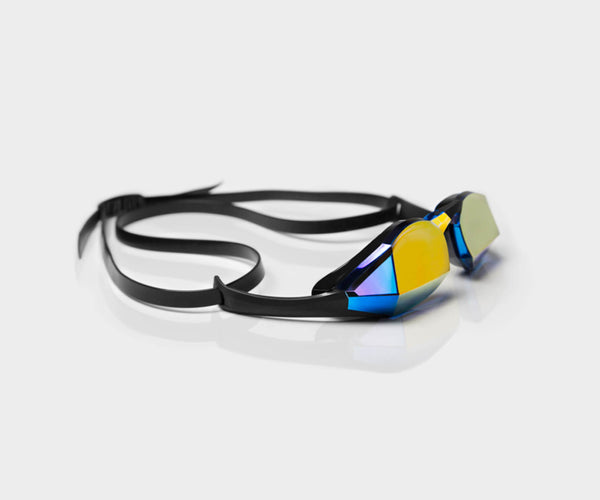
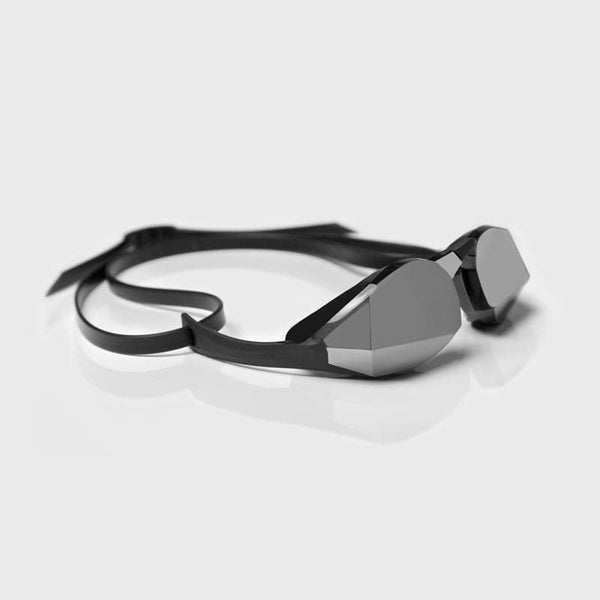
If you're ready to spend more time swimming, explore our Custom-Fit Swim Goggles, designed using a facial scan to provide a personalized fit that helps reduce leaks and distractions during every session. You can also browse our Best Sellers, Mirrored Swim Goggles, and Non-Mirror Swimming Goggles to find the right option for your training environment.
Keep improving your performance with our guides on Breathing in Swimming, Breaststroke Drills for Beginners, How Long After a Tattoo Can You Swim?, and Swimming Calories Burned Calculator. Whether you're improving your technique, planning your training, or learning more about swimming, these resources can help you make the most of every session.
Based on global survey data, approximately 44% of adults worldwide report that they can swim unassisted. Swimming ability varies significantly depending on access to education, facilities, and local opportunities.
According to the 2019 Lloyd's Register Foundation World Risk Poll, more than half of adults worldwide reported that they could not swim unassisted. The exact percentage varies between surveys, but millions of people still lack basic swimming skills due to limited access to lessons, facilities, and water safety education.
Yes. Adults of all ages can learn to swim through beginner-friendly lessons that focus on water confidence, swimming skills, and swim safety.
Swimming helps reduce the risk of drowning while providing lifelong health, fitness, and recreational benefits. It also builds confidence around water and supports overall well-being.
Expanding access to affordable swimming lessons, supporting qualified swim instructors, improving water safety education, investing in community facilities, and encouraging swimming through schools and local programs can help increase swimming proficiency worldwide.
While millions of people around the world enjoy swimming, global statistics show that many adults still cannot swim confidently or safely. Improving access to swimming education, swimming lessons, and swim safety programs can help close this gap and provide more people with a skill that benefits both their health and their safety.
Whether you're learning to swim for the first time or encouraging someone else to begin, every new swimmer contributes to a more confident, water-safe community. Swimming is more than a sport or hobby. It's a life skill that can make a lasting difference.
Ever try custom-fit swimming goggles? Well now's your chance! We're offering 50% off goggles to blog visitors only.
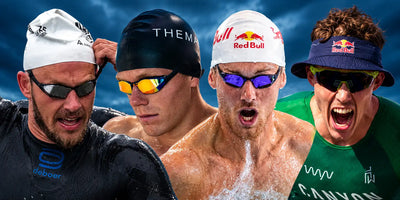
Here's why TheMagic5 Custom-Fit Swimming Goggles are worn by some of the fastest swimmers in the world:
Perfect Fit: No more constant adjustments, so you can focus on your training.
Enhanced Comfort: Comfortable fit means you can train longer without discomfort.
Improved Performance: Less drag for more efficient swimming.
We use a scan of your face which you submit to our app, and we create a pair of goggles that match your face perfectly.
Please enter your Team Passcode below
From a quick smartphone scan, our internal AI analyzes your facial structure and determines the optimal fit, generating a custom design made only for you. Using specialized machine learning models, we transform your data into perfectly fitted swim goggles. Learn more here.
We offer standard and express shipping options.
USA (Shipped from New York)
Standard: 6-days
Express: 3-days
International (Shipped from New York)
Standard: 14-days*
Express: 3-5 days
*Applies to most countries, variations might apply locally. This will be shown at checkout.