

TheMagic5 Swimming Blog
As a triathlete, you already know the sport is a blend of swim, bike, and run—but not all triathlons are created equal. The term “triathlon” covers a wide range of race distances, while “IRONMAN” refers specifically to long-course triathlon events, most famously the full IRONMAN. Understanding the differences in distance, demands, and training approach will help you choose the right race and prepare smarter.IRONMAN is a specific brand of long-course triathlon known for its half and full distances: 1.9 km swim, 90 km bike, 21.1 km run for 70.3; and 3.8 km swim, 180 km bike, 42.2 km run for the full. While the formats look similar on paper, the experience and preparation are very different.
Short-course races (Sprint and Olympic) are essentially a prolonged threshold effort. You’re pushing hard but controlled, with sharp accelerations, fast transitions, and an emphasis on technical execution—tight lines in the swim, crisp cornering on the bike, and efficient stride mechanics on the run. You can often race with minimal in-event fueling because much of the energy comes from glycogen you’ve stored beforehand, although Olympic distance athletes typically benefit from some carbs and fluids on the bike and run. Recovery tends to be quicker, and week-to-week training can accommodate more high-intensity sessions.
Long-course racing (70.3 and IRONMAN) is an aerobic endurance challenge measured in hours, not minutes. Successful athletes pace with discipline, prioritize comfort and efficiency, and treat nutrition as a central pillar. Even small mistakes—overbiking by 10 watts, skipping a bottle, or neglecting sodium in the heat—can snowball into a difficult run. Your bike position needs to be aerodynamic yet sustainable, your swim stroke economical, and your fueling plan rehearsed so you’re consistently taking in carbohydrates, fluids, and electrolytes to avoid the classic bonk.
These differences drive distinct training approaches. For short-course, focus on speed and threshold development: frequent interval work in all three disciplines, sessions that sharpen handling and transitions, and bricks that teach your legs to run fast off a hard bike. Swim sets might feature shorter repeats with short rest to build pace and form under fatigue. Bike sessions lean into VO2 and threshold intervals, and runs include strides, 200–1000 m repeats, and race-pace work to raise your ceiling.
For long-course, the priority shifts to volume, durability, and race-specific steady efforts. Expect longer swims with continuous aerobic work and occasional race-pace blocks to refine technique and reduce drag. Ride for hours at a controlled effort, holding your target power or heart rate in the aero position, and insert sustained blocks at race pace to engrain the feel. Long runs become a staple, with steady aerobic pacing and sections near marathon effort, plus frequent medium-long bike-to-run bricks to dial in pacing and practice fueling. Strength training emphasizes durability and core stability over maximal power, helping you stay resilient as volume rises.

Nutrition becomes the defining separator. In short-course, many can get by with light pre-race fueling and modest intake during the event. In long-course, you need a tested plan: regular carbohydrate intake (often 60–90 grams per hour), fluids calibrated to your sweat rate, and electrolytes matched to conditions. Train your gut just like you train your legs—use race-day products in long sessions, and adjust based on how you feel and perform.
Pacing and mindset also diverge. Short-course rewards assertiveness and quick decisions—attacking at the right moment, nailing transitions, and tolerating high discomfort. Long-course demands patience. You cap your effort early, ignore surges that would cost you later, and stay calm through heat, wind, or unexpected hiccups. The bike sets up the run; if you overreach, the marathon will collect the bill.
Weekly structure reflects these priorities. A Sprint or Olympic build might fit into 8–10 hours with multiple intensity-focused sessions and shorter endurance work. A 70.3 or IRONMAN build typically ranges from 12–18+ hours, with one long ride, one long run, and several race-pace or steady aerobic sessions. Recovery windows are longer, and sleep, nutrition, and soft tissue care become non-negotiable.
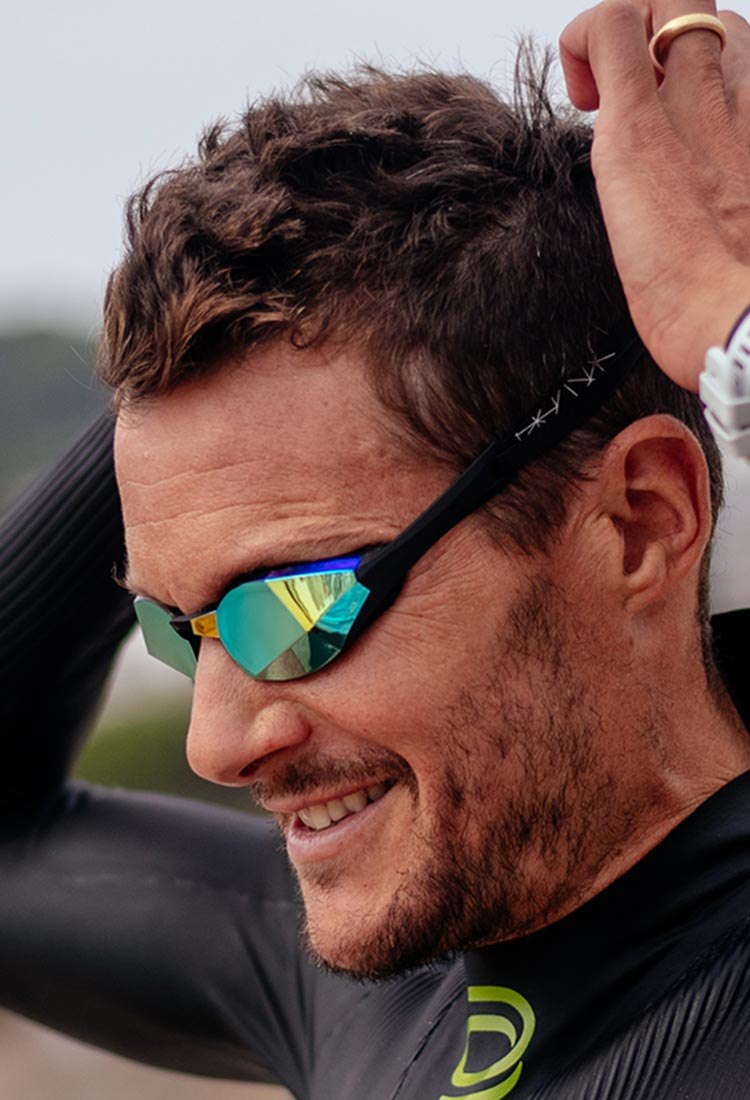
Equipment choices follow function. Short-course favors light, responsive gear and minimal carry. Long-course elevates comfort and reliability: a well-fitting wetsuit, an aero position you can hold for hours, sun protection, anti-chafe solutions, and a foolproof nutrition setup. For the swim, comfortable, leak-free goggles with lenses suited to race conditions reduce fatigue and improve sighting—small gains that pay off in long events.
If you love speed, tactics, and quick turnarounds, short-course is a joy. If you’re drawn to endurance and meticulous planning, step toward 70.3 and eventually a full IRONMAN. Progress gradually—Sprint to Olympic to 70.3 to Full—building volume and skills at each stage. No matter the distance, the foundation is the same: consistent training, smart pacing, and practiced execution. The difference lies in emphasis—sharpen for short-course, and build endurance, fueling, and discipline for IRONMAN.
Look Like
Please enter your Team Passcode below
From a quick smartphone scan, our internal AI analyzes your facial structure and determines the optimal fit, generating a custom design made only for you. Using specialized machine learning models, we transform your data into perfectly fitted swim goggles. Learn more here.
We offer standard and express shipping options.
USA (Shipped from New York)
Standard: 6-days
Express: 3-days
International (Shipped from New York)
Standard: 14-days*
Express: 3-5 days
*Applies to most countries, variations might apply locally. This will be shown at checkout.


