At a Glance
Not sure where to start? Use this quick overview to match your swimming goals with the features that matter most before diving into the full guide.
| If You Need | Look For |
|---|---|
| Lap Swimming | Comfortable seal, anti-fog lenses, and clear visibility for regular pool training. |
| Open Water | Mirrored or polarized lenses, UV protection, and a wide field of vision. |
| Triathlon | Leak-free fit, long-distance comfort, and quick, secure adjustment. |
| Competition | Low-profile, hydrodynamic design with a stable fit during dives and turns. |
| Everyday Fitness | Comfortable fit, durable materials, and easy adjustment for frequent swimming sessions. |
Lap Swimming
Comfortable seal, anti-fog lenses, and clear visibility for regular pool training.
Open Water
Mirrored or polarized lenses, UV protection, and a wide field of vision.
Triathlon
Leak-free fit, long-distance comfort, and quick, secure adjustment.
Competition
Low-profile, hydrodynamic design with a stable fit during dives and turns.
Everyday Fitness
Comfortable fit, durable materials, and easy adjustment for frequent swimming sessions.
If you're unsure where to start, prioritize fit over features. A comfortable, leak-free seal will have a bigger impact on your swimming experience than lens color or premium extras.
Finding the best swimming goggles isn't as simple as choosing the most expensive pair or picking the first option you see online. The right goggles should fit comfortably, stay leak-free throughout your swim, and match the way you train or enjoy the water.
Whether you're swimming laps before work, preparing for your first triathlon, or enjoying weekend sessions in open water, your goggles play a bigger role than many people realize. A poor fit can lead to constant adjustments, fogged lenses, uncomfortable pressure around your eyes, and distractions that take away from your swim.
The good news is that choosing the right pair doesn't have to be complicated.
In this guide, we'll walk you through everything you need to know, from understanding what makes a great pair of swimming goggles to choosing the best option based on your swim style, face shape, and environment. By the end, you'll have a clear idea of what to look for before making your next purchase.
How We Evaluated Swimming Goggles
Every swimmer has different needs, so there's no single pair of swimming goggles that's perfect for everyone. Rather than focusing on a single brand or feature, this guide evaluates swimming goggles based on the qualities that have the biggest impact on comfort, performance, and long-term usability.
Whether you're a recreational swimmer, a competitive athlete, or training for your first triathlon, the goal is to help you understand what makes a great pair of swimming goggles so you can confidently choose the right option for your needs.
Throughout this guide, we consider factors such as:
- Fit and seal reliability to help minimize leaks and reduce distractions while swimming.
- Comfort during extended swim sessions, especially for swimmers who train regularly.
- Lens clarity and anti-fog performance for consistent underwater visibility.
- Visibility across different swimming environments, including indoor pools, outdoor pools, and open water.
- Durability and build quality to withstand frequent exposure to chlorine, saltwater, and sunlight.
- Suitability for different swim styles, including lap swimming, open water, triathlon, fitness, and competitive swimming.
Rather than recommending a one-size-fits-all solution, this guide is designed to help you identify the features that matter most based on your swim style, environment, and personal preferences.
In This Guide
- What Makes the Best Swimming Goggles?
- How to Choose Swimming Goggles
- Types of Swimming Goggles
- Best Swimming Goggles for Different Swim Styles
- Pool vs. Open Water Swimming Goggles
- Common Mistakes When Buying Swimming Goggles
- Are Custom-Fit Swimming Goggles Worth It?
- Frequently Asked Questions
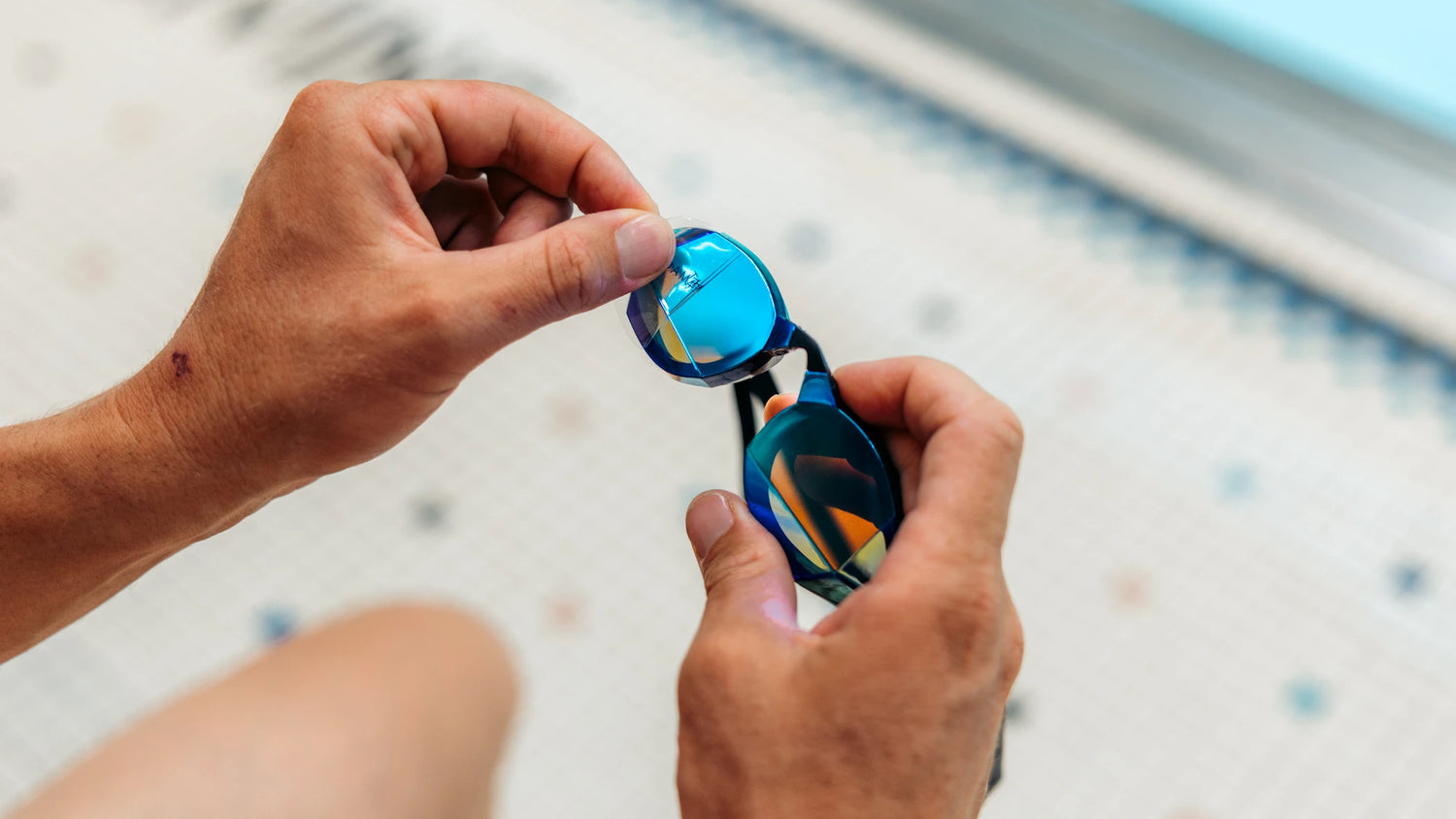
What Makes the Best Swimming Goggles?
There's no single pair of swimming goggles that's perfect for everyone. The best choice depends on how and where you swim, but there are a few essential qualities every swimmer should look for.
A Comfortable, Leak-Free Fit
A secure fit is arguably the most important feature of any pair of swimming goggles. If water constantly seeps inside or you find yourself stopping every few laps to adjust the straps, even the clearest lenses won't improve your swim.
Well-fitting goggles create a reliable seal around your eyes without needing to be painfully tight. In fact, overtightening the straps is often a sign that the goggles don't fit your face correctly in the first place.
Quick Tip: Before tightening the strap, gently press the goggles against your eye sockets. If they create a light seal for a moment without the strap, they're likely a good fit.
Clear Vision That Lasts
Fogged lenses can quickly turn an enjoyable swim into a frustrating experience. Most quality swimming goggles include an anti-fog coating, but performance varies depending on how the goggles are cared for and how often they're used.
If you regularly swim outdoors, UV protection is also worth considering. It helps reduce glare and protects your eyes during long sessions under the sun.
Comfort for Every Swim
Comfort isn't just about soft silicone. It's about how pressure is distributed around your eyes.
A well-designed pair of goggles should stay secure without leaving deep marks or causing headaches after longer workouts. This becomes especially important for swimmers training several times a week or spending extended periods in the water.
The Right Lens for Your Environment
Different swimming environments call for different lens types.
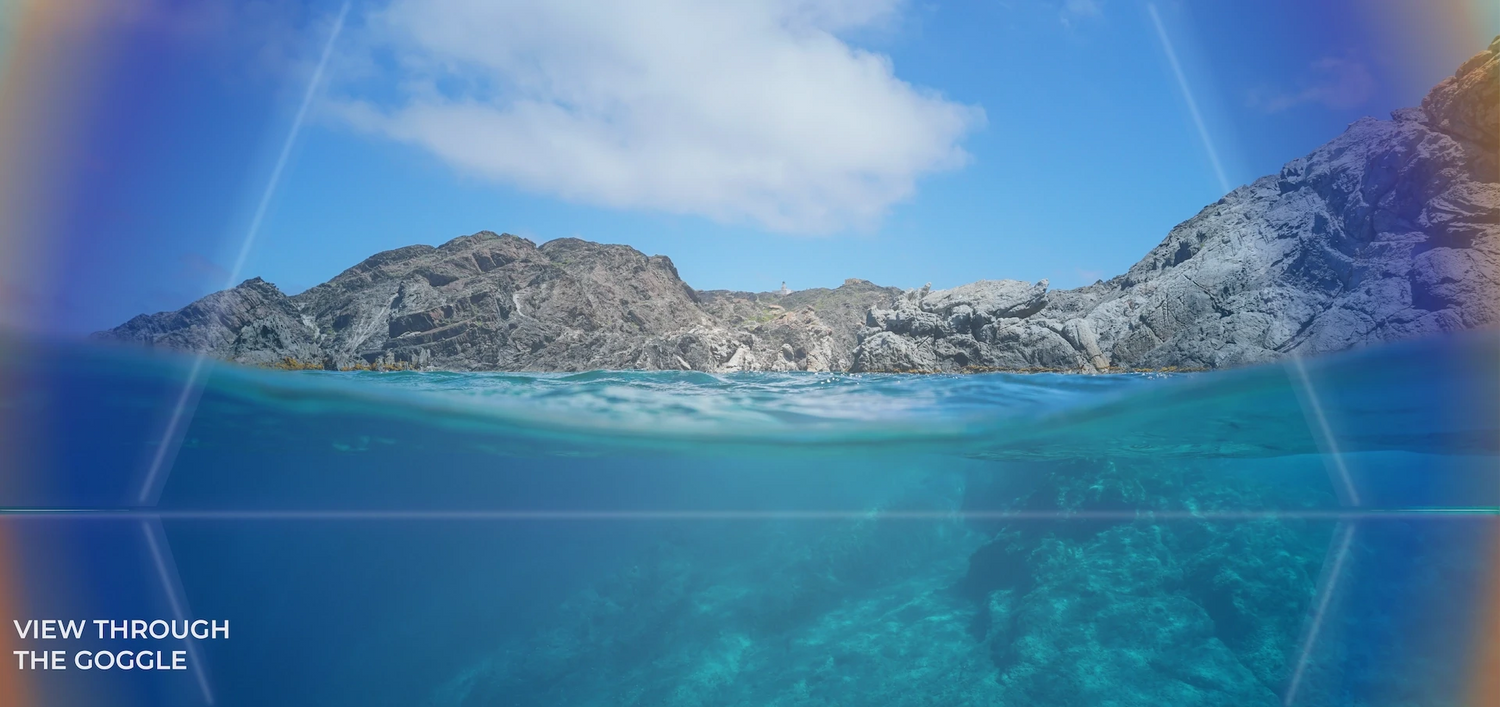
For indoor pools, clear or lightly tinted lenses usually provide the best visibility. Outdoor pools and open-water swimming often benefit from mirrored or polarized lenses that reduce glare from the sun.
Choosing the right lens can improve visibility, reduce eye strain, and make every swim more comfortable.
Durability You Can Count On
Swimming goggles are exposed to chlorine, saltwater, sunlight, and frequent stretching. Quality materials help maintain the seal, protect the lenses, and extend the life of your goggles.
Simple care habits, like rinsing your goggles with fresh water after each swim and avoiding touching the inside of the lenses, can also help preserve their anti-fog coating.
Key Takeaway
The best swimming goggles aren't defined by a single feature or brand. Instead, they combine five essentials:
- A secure, leak-free fit
- Comfortable pressure around the eyes
- Clear, anti-fog vision
- Lenses suited to your swimming environment
- Durable materials built for regular use
When these elements work together, your goggles become something you barely notice, which is exactly what every swimmer wants.
How to Choose Swimming Goggles
Choosing swimming goggles isn't just about appearance. The best pair for you depends on where you swim, how often you train, and what matters most during your time in the water.
Here are the five factors that should guide your decision.
1. Start with Fit Before Anything Else
Even premium swimming goggles won't perform well if they don't fit your face properly.
Everyone's facial structure is slightly different, which means a pair that works perfectly for one swimmer may leak or feel uncomfortable on another.
When trying on goggles, look for a gentle seal around your eyes before tightening the strap. If they stay in place for a second or two without slipping, that's usually a good sign the fit is right.
If you consistently struggle to find goggles that seal comfortably, custom-fit options may be worth considering. Rather than relying on a one-size-fits-most design, custom-fit goggles are created to match the unique contours of your face for a more personalized fit.
2. Think About Where You Swim Most Often
Your swimming environment influences the type of goggles you'll need.
Indoor pools typically have consistent lighting, making clear or lightly tinted lenses a practical choice.
Outdoor pools often benefit from mirrored lenses that reduce glare on bright days.
Open-water swimming presents changing light conditions, waves, and longer distances, so wider visibility and glare reduction become even more important.
Choosing goggles designed for your primary swimming environment can improve both comfort and visibility.
3. Choose the Right Lens Color
Lens color does more than change the look of your goggles, it affects how you see in different lighting conditions.
| Lens Type | Best For |
|---|---|
| Clear | Indoor swimming and low-light conditions |
| Blue | Mixed indoor and outdoor use |
| Smoke | Bright outdoor swimming |
| Mirrored | Strong sunlight and racing |
| Polarized | Open water with intense glare |
Clear
Best For
Indoor swimming and low-light conditions
Blue
Best For
Mixed indoor and outdoor use
Smoke
Best For
Bright outdoor swimming
Mirrored
Best For
Strong sunlight and racing
Polarized
Best For
Open water with intense glare
4. Match Your Goggles to Your Swimming Goals
Ask yourself one simple question:
What type of swimmer am I?
Someone training for competitive races has different priorities than someone swimming a few times each week for fitness.
Think about your goals before buying:
- Lap swimming
- Fitness swimming
- Open-water adventures
- Triathlon training
- Competitive racing
Each activity places slightly different demands on your goggles, from visibility to hydrodynamics.
5. Prioritize Comfort Over Tightness
One of the most common mistakes swimmers make is pulling the straps as tight as possible to stop leaks.
In reality, properly fitting goggles shouldn't require excessive pressure to create a seal.
If your goggles leave painful marks, cause headaches, or need constant tightening, it's often a sign that the fit, not the strap tension, is the real issue.
A comfortable fit allows you to focus on your stroke, breathing, and performance rather than constantly adjusting your equipment.
Types of Swimming Goggles
Not all swimming goggles are designed for the same purpose. While many models may look similar at first glance, the right pair depends on where you swim, how often you train, and the features that matter most to you.
Understanding the different types of swimming goggles can help you narrow down your options before making a purchase.
Recreational Swimming Goggles
Recreational goggles are designed for casual swimmers who visit the pool occasionally or enjoy swimming during vacations and leisure time.
They typically prioritize comfort over performance and are often available at an affordable price. While they're a great starting point for beginners, they may not offer the durability, advanced lens technology, or secure fit that regular swimmers need.
Best for:
- Casual swimming
- Family pool days
- Beginner swimmers
Training Swimming Goggles
Training goggles are built for swimmers who spend several days each week in the water. They're designed to remain comfortable during longer swim sessions while providing reliable visibility and a secure seal.
Many training goggles feature anti-fog coatings, UV protection, adjustable nose bridges, and soft silicone gaskets that reduce pressure around the eyes.
Best for:
- Lap swimming
- Swim fitness
- Masters swimming
- Regular training sessions
Racing Swimming Goggles
Competitive swimmers often choose low-profile racing goggles designed to reduce drag in the water.
These goggles usually fit closer to the face and prioritize hydrodynamics over long-session comfort. While excellent for races and speed-focused training, they may not be the best option for recreational swimmers.
Best for:
- Competitive swimming
- Swim meets
- Sprint training
Open Water Swimming Goggles
Swimming outside the pool introduces different challenges.
Changing light conditions, waves, and longer distances all affect visibility and comfort.
Open-water goggles often feature:
- Wider field of vision
- Mirrored or polarized lenses
- UV protection
- Comfortable seals for longer swims
These features help swimmers maintain visibility while reducing glare from sunlight.
Best for:
- Lakes
- Oceans
- Rivers
- Long-distance swims
Custom-Fit Swimming Goggles
Traditional goggles are manufactured using standardized molds designed to fit as many people as possible.
Custom-fit swimming goggles take a different approach by using facial measurements or 3D scanning technology to create goggles that better match the contours of an individual's face.
For swimmers who consistently experience leaking, uncomfortable pressure, or difficulty finding the right fit, custom-fit goggles can provide a more personalized solution.
Rather than relying on tighter straps to stop leaks, the goal is to achieve a natural seal through a more accurate fit.
Best for:
- Frequent swimmers
- Triathletes
- Swimmers who struggle with leaking goggles
- Long training sessions
| Type | Best For | Key Benefits | Considerations |
|---|---|---|---|
| Recreational | Casual swimming | Comfortable and affordable | Limited performance features |
| Training | Regular lap swimming | Comfort, anti-fog, durability | Slightly bulkier than racing goggles |
| Racing | Competitive swimming | Streamlined design and reduced drag | Less comfortable for long sessions |
| Open Water | Lakes, oceans, triathlons | Wide vision, glare reduction, UV protection | Not always necessary for indoor pools |
| Custom Fit | All swim styles | Personalized seal, reduced leaks, enhanced comfort | Higher investment than standard goggles |
Type
Recreational
Best For
Casual swimming
Key Benefits
Comfortable and affordable
Considerations
Limited performance features
Type
Training
Best For
Regular lap swimming
Key Benefits
Comfort, anti-fog, durability
Considerations
Slightly bulkier than racing goggles
Type
Racing
Best For
Competitive swimming
Key Benefits
Streamlined design and reduced drag
Considerations
Less comfortable for long sessions
Type
Open Water
Best For
Lakes, oceans, triathlons
Key Benefits
Wide vision, glare reduction, UV protection
Considerations
Not always necessary for indoor pools
Type
Custom Fit
Best For
All swim styles
Key Benefits
Personalized seal, reduced leaks, enhanced comfort
Considerations
Higher investment than standard goggles
Best Swimming Goggles for Different Swim Styles
Choosing the best swimming goggles isn't just about features; it's about finding the right match for how you swim.
Here's what to look for based on your swimming goals.
Best Swimming Goggles for Lap Swimming
Lap swimmers spend extended periods training in the pool, making comfort and reliability essential.
Look for goggles that offer:
- Soft silicone seals
- Reliable anti-fog performance
- Clear visibility
- Comfortable fit during longer workouts
If you find yourself stopping every few laps to adjust leaking goggles, it may be worth considering a custom-fit option designed to create a more personalized seal.
Best Swimming Goggles for Open Water Swimming
Open-water swimmers face constantly changing conditions, including bright sunlight, waves, and varying visibility.
Recommended features include:
- Mirrored or polarized lenses
- Wide field of vision
- UV protection
- Secure fit for longer swims
If open-water swimming is your primary focus, choosing goggles specifically designed for these environments can improve both comfort and confidence.
Looking for a detailed comparison?
Read our Pool vs. Open Water Goggles Guide to learn which features matter most in each swimming environment.
Best Swimming Goggles for Triathlon
Triathlon swimmers need goggles that remain comfortable from the starting horn to the final stroke.
Prioritize:
- Leak-free fit
- Quick adjustment
- Wide visibility
- Long-lasting comfort
Because races often involve long distances and changing conditions, many triathletes prioritize fit above everything else.
Best Swimming Goggles for Competitive Swimming
Competitive swimmers typically look for streamlined goggles that minimize drag while maintaining excellent visibility.
Common features include:
- Low-profile design
- Secure seal
- Stable fit during dives and turns
- Mirrored lenses for outdoor competition
Comfort remains important, but hydrodynamics often become a greater priority.
Best Swimming Goggles for Fitness Swimming
If swimming is part of your regular fitness routine, your goggles should disappear into the background, allowing you to focus on your workout instead of constantly making adjustments.
Look for:
- Comfortable silicone seals
- Anti-fog lenses
- Adjustable straps
- Reliable leak prevention
The best pair is one you can wear consistently without discomfort, whether you're swimming for 20 minutes or an hour.
Common Mistakes When Buying Swimming Goggles
Choosing swimming goggles may seem straightforward, but many swimmers end up disappointed because they focus on the wrong features. Avoiding these common mistakes can save you time, money, and frustration while helping you find a pair that truly fits your needs.
Buying Based on Price Alone
It's tempting to choose the cheapest option, especially if you're just getting started. However, inexpensive goggles may wear out quickly, lose their anti-fog coating, or fail to provide a reliable seal after repeated use.
That doesn't necessarily mean you need the most expensive pair either. Instead, focus on finding goggles that offer the right combination of comfort, durability, and performance for your swimming routine.
Choosing the Wrong Lens Type
Not every lens performs well in every environment.
For example, mirrored lenses work well in bright outdoor conditions but can reduce visibility in dimly lit indoor pools. Likewise, clear lenses are excellent indoors but may cause glare in direct sunlight.
Matching your lens type to where you swim most often will improve visibility and reduce eye strain.
Overtightening the Straps
One of the biggest misconceptions is that tighter straps create a better seal.
In reality, swimming goggles should fit comfortably without excessive pressure. If you're constantly tightening the straps to stop leaks, the goggles may simply not match your face shape.
A proper fit creates a secure seal naturally, allowing you to swim comfortably without frequent adjustments.
Ignoring Face Shape and Fit
Every swimmer has a unique facial structure, which means no single pair of goggles fits everyone equally well.
Standard goggles are designed to accommodate a wide range of users, but some swimmers may find it difficult to achieve a comfortable, leak-free fit. If you've tried multiple pairs with limited success, it may be worth exploring custom-fit options designed specifically for your facial contours.
Waiting Too Long to Replace Your Goggles
Even high-quality swimming goggles won't last forever.
Over time, straps lose elasticity, silicone seals wear down, and anti-fog coatings become less effective.
If your goggles frequently leak, fog despite proper care, or no longer feel comfortable, replacing them may improve both comfort and performance.
Are Custom-Fit Swimming Goggles Worth It?
For many swimmers, the biggest challenge isn't finding swimming goggles, it's finding a pair that actually fits.
Traditional goggles are designed using standardized molds intended to fit as many people as possible. While this works well for some swimmers, others may experience recurring issues such as leaks, pressure around the eyes, or discomfort during longer sessions.
Custom-fit swimming goggles offer a different approach.
Instead of relying on a one-size-fits-most design, they use facial measurements or 3D scanning technology to create goggles that better match the unique contours of your face.
This personalized approach can help improve comfort, reduce leaks, and minimize the need for constant strap adjustments.
Benefits of Custom-Fit Swimming Goggles
- More personalized fit
- Improved leak resistance
- Reduced pressure around the eyes
- Greater comfort during long swims
- More consistent performance across different swim environments
While custom-fit goggles may represent a larger initial investment than standard options, many regular swimmers find the added comfort and reliability worthwhile, especially if they've struggled to find goggles that fit well.
If achieving a secure, comfortable seal has been a challenge, custom-fit goggles are an option worth considering.
Frequently asked questions
What are the best swimming goggles?
The best swimming goggles are the ones that fit your face comfortably, create a reliable leak-free seal, and match your swimming environment. Features such as anti-fog lenses, UV protection, comfortable silicone seals, and durable construction all contribute to a better swimming experience.
How should swimming goggles fit?
Swimming goggles should create a gentle seal around your eyes without requiring excessive strap tension. They should remain secure during your swim while avoiding unnecessary pressure or discomfort.
Are expensive swimming goggles worth it?
Not always. Higher-priced goggles often include premium materials, advanced lens technology, or specialized features, but the most important factor remains fit. A comfortable pair that seals well will usually perform better than an expensive pair that doesn't fit properly.
What swimming goggles are best for beginners?
Beginners typically benefit from comfortable training or recreational goggles with adjustable straps, soft silicone seals, and clear lenses for indoor swimming.
Why do my swimming goggles keep leaking?
Leaks are usually caused by an improper fit rather than loose straps. If your goggles don't match the shape of your face, tightening the straps often won't solve the problem.
Can I use the same swimming goggles for both pool and open water?
Yes, many swimmers do. However, if you regularly swim outdoors, goggles with mirrored or polarized lenses and a wider field of vision may provide a more comfortable experience in bright conditions.
How long do swimming goggles last?
The lifespan of swimming goggles depends on how often they're used and how well they're maintained. Regularly rinsing them with fresh water and avoiding contact with the inside of the lenses can help extend their life.
Do anti-fog swimming goggles eventually lose their coating?
Yes. Over time, the anti-fog coating naturally wears down. Proper care, such as rinsing after use and avoiding rubbing the inside of the lenses, can help preserve its effectiveness.
Final Thoughts
Finding the best swimming goggles isn't about choosing the most expensive model or following the latest trend. It's about selecting a pair that fits comfortably, matches your swimming environment, and supports your goals in the water.
Whether you're training for fitness, preparing for a race, or exploring open-water adventures, the right goggles should provide clear vision, lasting comfort, and a reliable seal that lets you focus on your swim, not your equipment.
If you've struggled with leaking goggles or finding a comfortable fit, exploring custom-fit options may help improve your overall swimming experience.
Ready to find the right pair?
Explore our Best Swimming Goggles collection to discover custom-fit goggles designed to provide a more personalized fit for every swim.
Complete Your Swim Kit
The right pair of swimming goggles is just one part of a great swim. Complete your setup with accessories designed to improve comfort, protect your gear, and keep your goggles performing at their best.
- Swim Caps – Stay streamlined and keep your hair comfortably in place during every swim.
- Protective Goggle Cases - Help protect your goggles from scratches and damage between sessions.
- Anti-Fog Spray - Extend the life of your anti-fog coating and enjoy clearer vision for longer.
Explore Swimming Accessories
Related Guides
Continue learning with these helpful resources:
- How To Clean Swim Goggles | Maintaining Your Swimming Goggles
- Find Your Perfect Tint: A Guide to THEMAGIC5 Goggles for Every Athlete and Every Condition
- Open Water Goggles | 5 Things to know when buying Open Water Swimming Goggles
- Best Triathlon Goggles: 5 Tips for Choosing the Best Triathlon Goggles
- Best Goggles for Long Distance Swimming