Black Swimmers in the Olympics: Trailblazers and Today’s Competitors
Written byChristina Nothdurfter
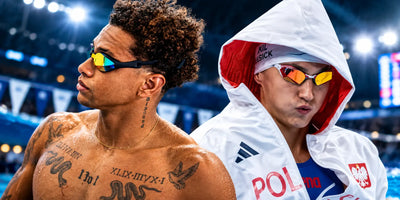
The history of Black swimmers in the Olympics is one of perseverance, groundbreaking achievements, and lasting influence on Olympic swimming. From Surinamese Olympic champion Anthony Nesty's historic gold medal to U.S. Olympic champion Simone Manuel's record-breaking performances, Black athletes have helped reshape the sport while inspiring future generations of swimmers around the world.
While swimming has historically lacked diversity compared to many other Olympic sports, remarkable athletes have helped change that narrative through record-breaking performances, international success, and advocacy for greater representation. Their achievements have expanded opportunities for future swimmers and demonstrated that talent, dedication, and determination know no boundaries.
In this guide, we'll explore the pioneers who changed Olympic swimming, celebrate today's standout competitors, examine the challenges many Black swimmers have overcome, and look at how representation continues to shape the future of the sport.
For much of Olympic history, Black athletes were significantly underrepresented in competitive swimming. Limited access to swimming facilities, unequal opportunities, and longstanding social barriers prevented many talented swimmers from entering the sport.
Despite these challenges, several athletes broke through and changed the course of swimming history.
One of the most significant milestones came in 1988, when Anthony Nesty of Suriname won the gold medal in the men's 100-meter butterfly at the Seoul Olympics. His victory made him the first Black swimmer to win an Olympic gold medal, proving that elite success in swimming was possible for athletes from every background.
Nesty's achievement inspired countless young swimmers around the world and helped pave the way for greater diversity in international swimming competitions.
As participation has grown over the decades, more Black swimmers have reached the Olympic stage, demonstrating excellence across freestyle, butterfly, relay events, and other disciplines.
Several athletes have left a lasting impact on Olympic swimming through their performances, leadership, and commitment to inspiring future generations.
Anthony Nesty made history at the 1988 Seoul Olympics by becoming the first Black swimmer to win Olympic gold. His victory in the 100-meter butterfly remains one of the defining moments in Olympic swimming and continues to inspire athletes around the world.
In 2016, Simone Manuel became the first African American woman to win an individual Olympic gold medal in swimming after tying for first in the women's 100-meter freestyle at the Rio Olympics.
Her historic victory represented far more than a gold medal. Manuel became a powerful role model for young swimmers, encouraging greater participation and helping demonstrate that elite swimming is a sport where athletes of every background can succeed.
Olympic medalist Cullen Jones has enjoyed success both in competition and as an advocate for water safety and swimming education.
Following his Olympic achievements in 2008 and 2012, Jones has worked extensively to promote swimming within underserved communities while encouraging children to develop confidence and lifesaving water skills.
Maritza Correia McClendon became the first Black woman to represent the United States in Olympic swimming when she competed at the 2004 Athens Olympics.
Her accomplishments opened doors for future generations of swimmers and highlighted the importance of increasing diversity within the sport.
As a multiple-time Olympian, Lia Neal has continued to build on that legacy by representing Team USA at the highest level while advocating for greater inclusion throughout competitive swimming.
Together, these athletes have helped reshape perceptions of Olympic swimming and inspired countless young swimmers to pursue their dreams.
She was one of the earliest Black Olympic medalists in swimming and is becoming increasingly recognized because two of her bronze medals were later acknowledged after East German doping revelations.

Representation plays an important role in every sport, and swimming is no exception.
When young athletes see Olympic champions who share similar backgrounds and experiences, they gain confidence that success is possible. Role models help create a stronger sense of belonging while encouraging participation at the grassroots level.
Greater diversity also benefits the sport itself by introducing new talent, perspectives, and growth opportunities. As more communities gain access to swim programs, coaching, and competitive opportunities, the future of Olympic swimming becomes stronger and more inclusive.
Organizations, coaches, and elite athletes continue working together to improve access to swimming lessons, competitive clubs, and community programs, helping remove barriers that have historically limited participation.
Although the sport has become more diverse over time, many Black swimmers have faced challenges that extend beyond competition itself.
For decades, unequal access to public pools, swimming lessons, and competitive programs limited opportunities for many aspiring athletes. In some communities, historical segregation and a lack of affordable swim facilities contributed to lower participation rates, creating barriers that affected generations of swimmers.
Today, organizations, coaches, and Olympic athletes continue working to improve access through community outreach, learn-to-swim programs, scholarships, and youth development initiatives. These efforts are helping more children develop water safety skills while introducing competitive swimming to communities that have traditionally been underrepresented.
Although progress continues, many athletes emphasize that increasing access and representation remains essential for the future of the sport.
Swimming has historically faced participation barriers because of segregation, unequal pool access, and limited opportunities.
The legacy established by pioneers such as Anthony Nesty has inspired a new generation of Black Olympic swimmers to compete at the highest level.
Athletes like Simone Manuel, Cullen Jones, Maritza Correia McClendon, and Lia Neal have demonstrated that excellence in swimming is built through dedication, discipline, and years of consistent training. Their success has helped inspire more young athletes to pursue competitive swimming while encouraging governing bodies and local organizations to invest in greater diversity across the sport.
As international competitions continue to evolve, the number of talented Black swimmers competing on the world stage continues to grow. Their achievements are helping shape a future where Olympic swimming better reflects the diversity of athletes around the world.
Regardless of background, every Olympic swimmer shares a commitment to consistent training, technical development, and continuous improvement. Reaching the highest levels of competitive swimming requires years of dedication both in and out of the pool.
Elite swimmers often focus on:
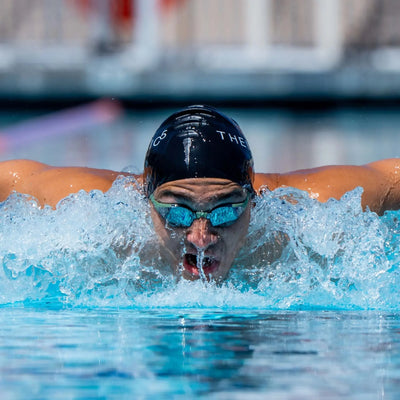
Alongside structured coaching and training, properly fitted equipment can also make a difference. Comfortable swim goggles help athletes maintain clear vision and reduce distractions, allowing them to focus entirely on their technique throughout every practice and race.
Whether preparing for local competitions or the Olympic stage, consistent training requires equipment that performs reliably. Custom-fit swim goggles help reduce leaks and pressure points, allowing swimmers to focus on technique and performance throughout every session.

The future of Olympic swimming continues to become more diverse as greater access, stronger community programs, and inspiring role models encourage more young athletes to enter the sport.
Each generation builds upon the achievements of those who came before, creating new opportunities for swimmers to compete, succeed, and inspire others. As representation continues to grow, the stories of today's athletes will motivate future Olympic hopefuls to chase their own dreams in the pool.
For many young swimmers, seeing athletes who have overcome challenges and reached the highest level of competition serves as a powerful reminder that success is possible through determination, opportunity, and consistent hard work.
Whether you're inspired by Olympic athletes or working toward your own goals in the pool, exploring more about swimming history, training, and performance can help you continue improving every time you swim.
Whether you're preparing for your next race, learning more about Olympic swimming, or simply looking to improve your performance, these resources can help you continue building confidence and getting more out of every swim.
Anthony Nesty of Suriname became the first Black swimmer to win an Olympic gold medal when he claimed victory in the men's 100-meter butterfly at the 1988 Seoul Olympics. His achievement marked a significant milestone in Olympic swimming history.
Simone Manuel became the first African American woman to win an individual Olympic gold medal in swimming after tying for first in the women's 100-meter freestyle at the 2016 Rio Olympics. Her historic performance inspired a new generation of swimmers and highlighted the growing diversity within the sport.
For many years, unequal access to swimming facilities, lessons, competitive clubs, and community resources limited participation in the sport. Although significant progress has been made, many organizations continue working to improve access and create more opportunities for future generations.
Several athletes have helped shape Olympic swimming, including Anthony Nesty, Simone Manuel, Cullen Jones, Maritza Correia McClendon, and Lia Neal. Their accomplishments have inspired young swimmers while helping expand representation at the highest level of competition.
Representation encourages more young athletes to see swimming as a sport where they belong. Visible role models can inspire participation, improve access to opportunities, and help build a more inclusive future for competitive swimming.
Consistent training, effective coaching, proper recovery, and quality equipment all contribute to long-term improvement. Comfortable, well-fitting swim goggles can also help swimmers maintain clear vision and focus throughout training and competition.
As more young athletes enter the sport, the legacy of pioneers like Anthony Nesty, Simone Manuel, Cullen Jones, Maritza Correia McClendon, and Lia Neal continues to inspire the next generation of Olympic swimmers. Their achievements remind us that representation, opportunity, and dedication can change not only individual lives but the future of the sport itself.
Their accomplishments extend beyond medals and records. They have challenged long-standing barriers, inspired greater participation in competitive swimming, and demonstrated that talent and determination can overcome obstacles both inside and outside the pool.
As Olympic swimming continues to evolve, greater diversity and representation are strengthening the sport for future generations. Whether you're an aspiring competitive swimmer or simply a fan of Olympic history, these athletes remind us that progress is driven by dedication, opportunity, and the courage to break new ground.
No matter where your own swimming journey begins, consistent training, confidence in the water, and equipment that supports your performance can help you make the most of every session. With the right preparation and mindset, every swimmer has the opportunity to continue building on the legacy these trailblazers have created.
Please enter your Team Passcode below
From a quick smartphone scan, our internal AI analyzes your facial structure and determines the optimal fit, generating a custom design made only for you. Using specialized machine learning models, we transform your data into perfectly fitted swim goggles. Learn more here.
We offer standard and express shipping options.
USA (Shipped from New York)
Standard: 6-days
Express: 3-days
International (Shipped from New York)
Standard: 14-days*
Express: 3-5 days
*Applies to most countries, variations might apply locally. This will be shown at checkout.