Best Anti-Fog Goggles for Open Water Swimming: 2026 Comparison Guide
Written byChristina Nothdurfter
Fogged goggles can quickly become more than an inconvenience in open water. When you're swimming in a lake, ocean, or other natural environment, clear vision helps you sight buoys, navigate changing conditions, and stay aware of other swimmers.
Choosing the best anti-fog open water swim goggles comes down to more than anti-fog treatment alone. Fit, seal stability, lens type, visibility, and proper care can all influence how your goggles perform during an open water swim.
This guide compares several popular options, including custom-fit and standard-fit goggles, and explains how to choose between different lens types for bright sun, reflected glare, changing light, racing, training, and casual open water swimming.
| Goggle | Anti-Fog | Fit | Lens Type | Best For |
|---|---|---|---|---|
| THEMAGIC5 Custom-Fit Goggles | Anti-fog treated | Custom fit based on facial scan | Clear, tinted, and mirrored options | Personalized fit, open water, triathlon |
| ZIONOR Upgraded G1 | Anti-fog treated | Standard adjustable fit | Polarized | Sunny recreational open water swimming |
| FORM Smart Swim 2 | Factory anti-fog coating | Standard fit | Mirrored lens options | Data-focused swimmers and triathletes |
| Arena Cobra Ultra | Anti-fog technology | Race-focused fit | Multiple lens options | Competitive and race-focused swimming |
| Aegend Swim Goggles | Anti-fog treated | Standard adjustable fit | Multiple lens options | Casual and budget-conscious swimmers |
There is no single pair that works best for every swimmer. Your ideal goggles depend on your face shape, swimming environment, light conditions, training frequency, and whether you primarily race, train, or swim recreationally.
Focus on three factors:
For swimmers who repeatedly experience leaking, pressure points, or difficulty finding standard goggles that fit comfortably, custom-fit swim goggles provide another option by adapting the fit to the individual swimmer.
The best lens type depends on the conditions you swim in most often. Mirrored or darker lenses can help manage bright sunlight, polarized lenses are designed to reduce reflected surface glare, and clear or lighter lenses are generally better suited to overcast or lower-light conditions.
Lens type and anti-fog performance are separate considerations. A mirrored or polarized lens does not automatically provide better anti-fog performance.
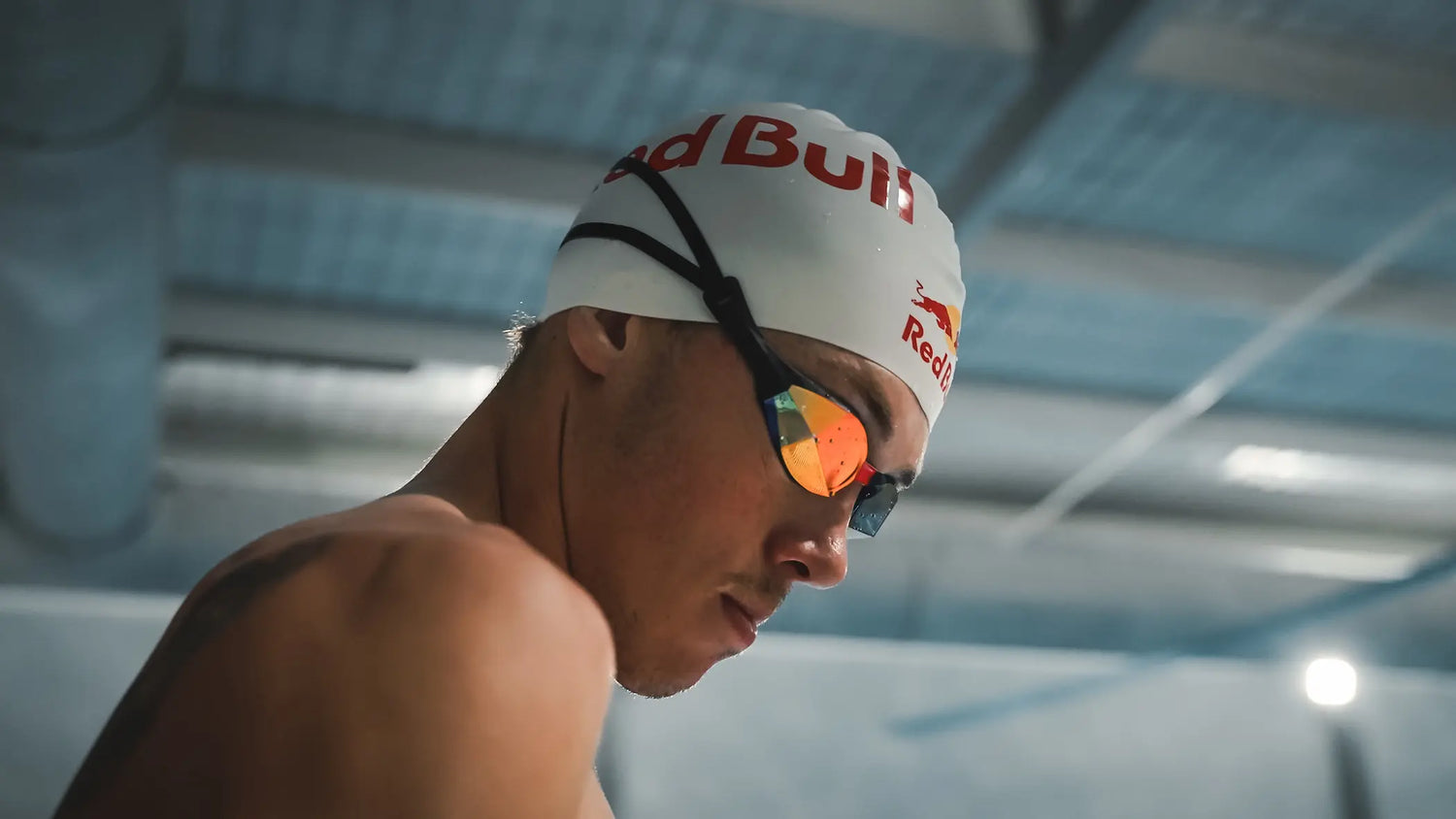
THEMAGIC5 takes a different approach from traditional standard-size goggles. A facial scan is used with the brand's fitting technology to create goggles designed around the individual swimmer's facial structure.
For swimmers who regularly struggle with leaking, pressure points, or getting standard goggles to seal comfortably, this personalized approach can be particularly useful.
THEMAGIC5 goggles also include anti-fog treatment and are available with different lens options for varying swimming and lighting conditions.
Best for: Frequent swimmers, triathletes, open water swimmers, and anyone who has difficulty achieving a consistent fit with standard goggles.
The ZIONOR G1 combines anti-fog treatment with polarized lenses designed for outdoor use.
Polarized lenses can help reduce reflected surface glare, making this type of goggle useful for recreational swimming in bright lakes and oceans.
Best for: Recreational open water swimmers who prioritize glare reduction and outdoor visibility.
FORM Smart Swim 2 combines swimming goggles with integrated technology that can display performance information while you swim.
This makes FORM a distinctly different option for athletes who want training data alongside the basic visibility and fit functions expected from swimming goggles.
Best for: Tech-focused swimmers, structured training, and triathletes who value real-time swimming data.
Arena's Cobra line takes a race-oriented approach, with a lower-profile design intended for competitive swimming.
For swimmers who prioritize streamlined performance and prefer a traditional competitive fit, this style may be a better match than wider recreational goggles.
Best for: Competitive swimmers and athletes looking for a race-focused design.
Aegend provides a more accessible standard-fit option for swimmers looking for basic anti-fog functionality without moving into premium custom-fit or technology-focused goggles.
For occasional open water swimming or as a backup pair, a simpler standard-fit option may be enough.
Best for: Casual swimmers, beginners, and budget-conscious swimmers.
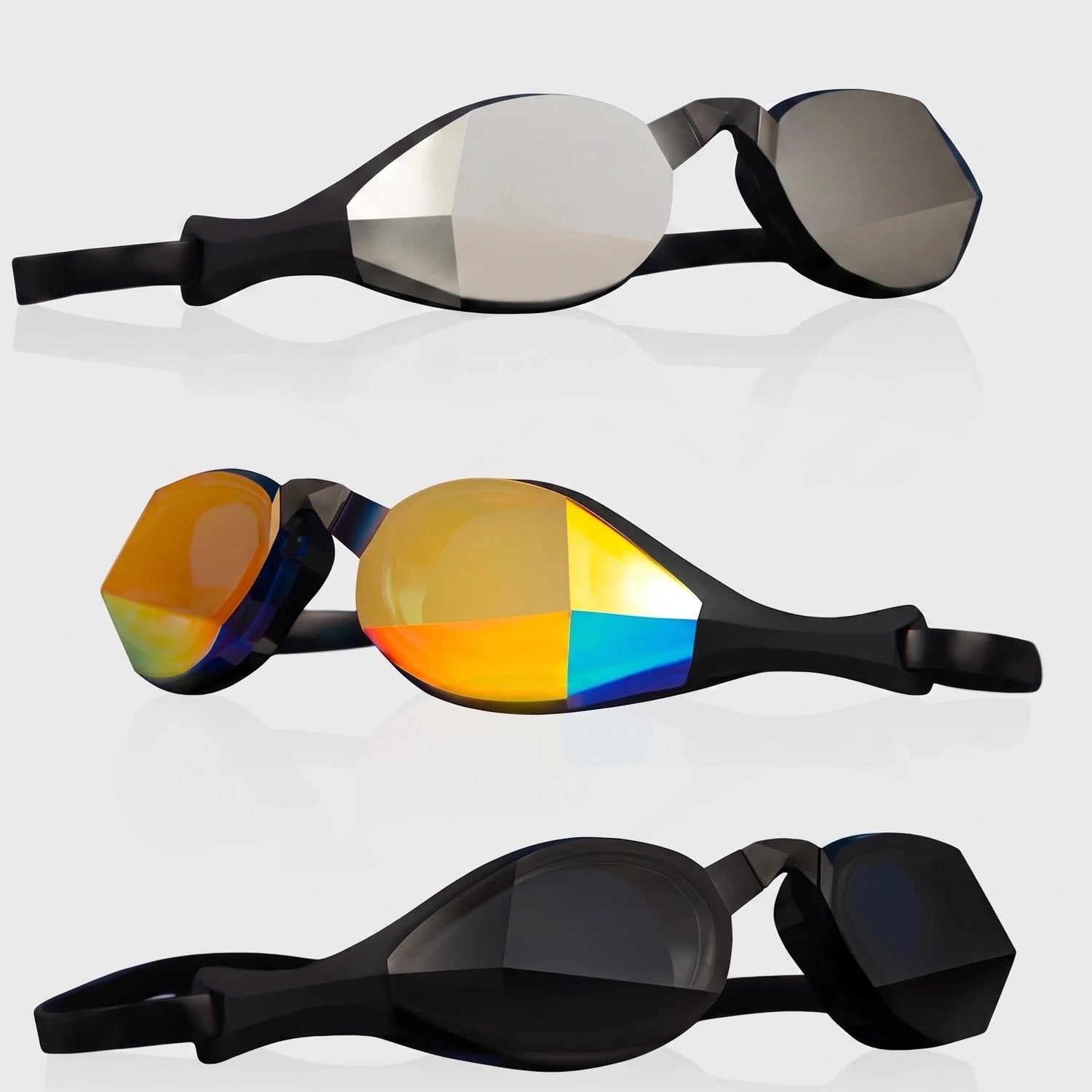
Open water lighting can change significantly depending on the weather, time of day, location, and direction you're swimming. Instead of choosing a lens based only on appearance, consider the conditions in which you'll actually use it.
| Open Water Condition | Lens Direction | Why |
|---|---|---|
| Bright, direct sunlight | Mirrored or darker lens | Helps reduce overall brightness in strong light |
| Strong reflected surface glare | Polarized lens | Designed specifically to reduce reflected glare |
| Mixed sun and cloud | Moderate tint | Balances brightness reduction with visibility as conditions change |
| Overcast or lower light | Clear or lighter tint | Allows more available light through for visibility |
| Race with uncertain conditions | Versatile tint based on expected conditions | Avoids choosing a lens optimized only for one extreme |
Lens tint, polarization, and anti-fog treatment address different needs. Mirrored or darker lenses help manage brightness, polarization is designed to reduce reflected surface glare, and anti-fog treatment helps manage condensation on the inside of the lens.
For bright open water, consider mirrored or darker lenses when overall brightness is the main concern. If reflected surface glare is the bigger problem, polarized lenses may be more appropriate. Neither feature inherently provides better anti-fog performance.
One of the biggest differences between swimming goggles is how the seal is designed to fit your face.
| Feature | Standard-Fit Goggles | Custom-Fit Goggles |
|---|---|---|
| Seal geometry | Designed for a broad range of face shapes | Designed around an individual facial scan |
| Adjustment | Typically relies on straps and model-specific adjustments | Personalized gasket with strap adjustment |
| Anti-fog | Depends on model and treatment | Depends on model and treatment |
| PRECIO | Budget through premium | Generally premium |
| Best for | Swimmers comfortable with standard sizing | Swimmers seeking a personalized fit |
Fogging occurs when warm, humid air inside your goggles meets a cooler lens surface, and moisture condenses.
Open water can make this more noticeable because swimmers may encounter colder temperatures, waves, changing conditions, and longer periods in the water.
Common factors include:
Anti-fog treatment helps manage condensation, but fit and proper lens care remain important.
A secure seal does more than keep water out.
When goggles leak, cold water can enter around the eye area and change conditions inside the goggles. If fogging occurs alongside leaking, checking the fit and seal is therefore a useful first step.
Common fit problems include:
This is where personalized fit can become useful. A goggle designed around an individual facial structure aims to create a secure seal without relying entirely on additional strap pressure.
If you're unsure whether the issue is the strap, gasket, or overall fit, see our guide on how swimming goggles should fit before tightening the straps further.
Open water and pool swimming create different visual and environmental demands.
Open water goggles often prioritize:
Pool goggles often prioritize:
Pool goggles can work outdoors under suitable conditions. However, swimmers who regularly train or race outside may benefit from goggles and lenses designed with open water conditions in mind.
Cold water can increase the temperature difference between the warm air around your eyes and the cooler lens surface, making reliable fit and clarity particularly important.
When choosing the best goggles for cold water swimming, prioritize:
For sea swimming, rinse your goggles gently with fresh water afterward to help remove salt and residue from the lenses and seals.
Goggles do not eliminate the broader risks associated with cold water swimming, but dependable fit and clear vision can support better awareness of your surroundings.
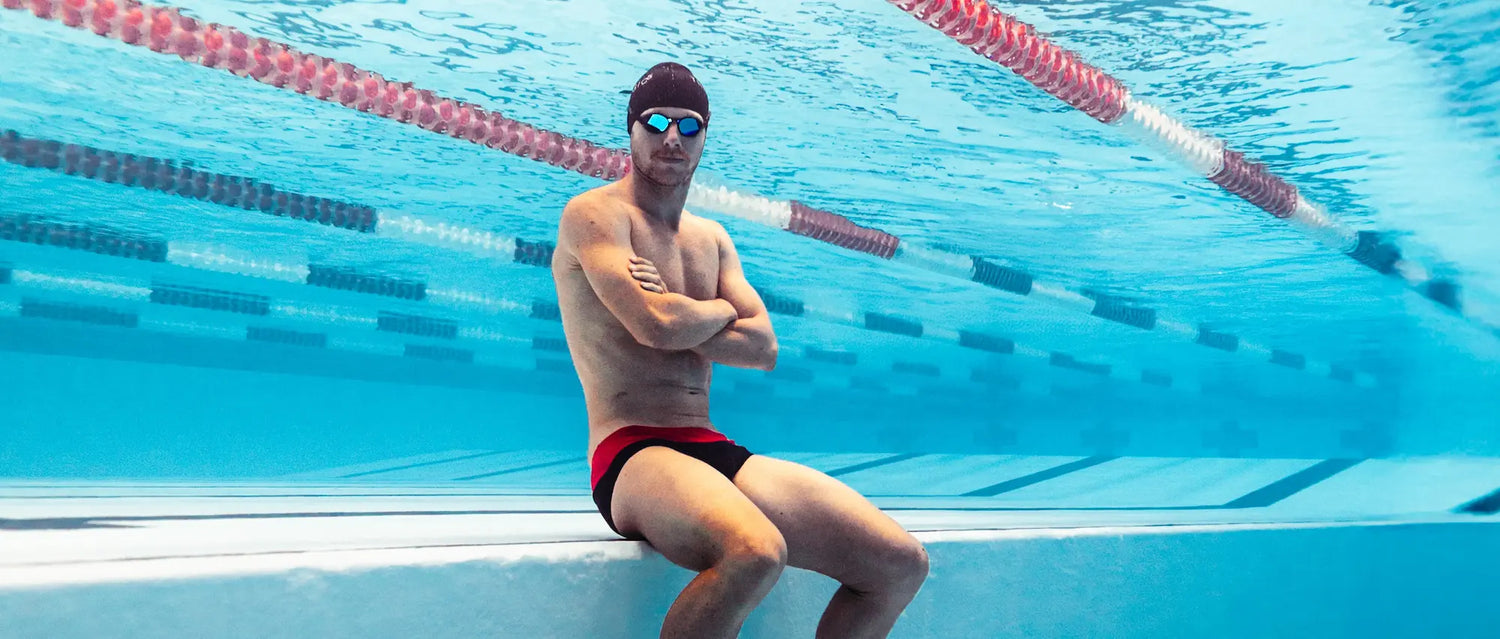
Lens type affects outdoor visibility but is separate from anti-fog performance.
Mirrored lenses reduce incoming light and can be useful in bright outdoor conditions.
Polarized lenses are designed to reduce reflected glare from surfaces such as lakes and oceans.
Clear or lightly tinted lenses can work better during overcast weather or lower-light swimming.
Choose your lens based on when and where you swim most often. The lens type itself does not prevent fogging.
Choosing anti-fog swimming goggles for triathlon means thinking beyond the anti-fog coating.
Race conditions can involve crowded starts, repeated sighting, waves, changing light, and long periods without a convenient opportunity to adjust your goggles.
For triathlon and open water racing, prioritize:
For swimmers who repeatedly experience leaks with standard goggles, personalized-fit options may be worth considering because maintaining a stable seal becomes particularly important during a race.
For more race-specific guidance, see our guide to the best triathlon swim goggles.
Prioritize fit security, visibility, comfort, and a lens suited to expected race conditions. Goggles should require as little adjustment as possible once the swim begins.
Comfort becomes increasingly important during longer sessions. Look for goggles that maintain their seal without excessive pressure around your eyes.
For occasional lake or beach swimming, a well-fitting standard goggle with anti-fog treatment and an appropriate outdoor lens may provide everything you need.
Even good anti-fog treatment can lose effectiveness when lenses are handled incorrectly.
Always follow the care instructions provided for your specific goggles. General care may include:
Proper care helps protect both lens clarity and the condition of the seals. For more troubleshooting and prevention tips, see our guide on how to prevent swim goggles from fogging.
Not necessarily. Custom fit primarily addresses fit and seal rather than changing how anti-fog treatment works. However, a secure seal may reduce leaking and help maintain more consistent conditions inside the goggles.
Polarized lenses can be useful for swimmers who regularly encounter reflected surface glare. Their value depends on your usual swimming conditions and lighting.
Neither is universally better. Mirrored lenses are useful for managing strong overall brightness, while polarized lenses are specifically designed to reduce reflected surface glare. Choose based on the conditions you encounter most often.
No. Mirroring and polarization affect how the lens manages light or glare. Anti-fog treatment addresses condensation on the inside of the lens.
It depends on the goggles and anti-fog product. Follow the manufacturer's instructions before applying additional treatments, particularly when the lenses already have a factory coating.
Prioritize a secure and comfortable fit, an appropriate lens type, reliable anti-fog treatment, sufficient visibility, and features suited to where and how you swim.
The best anti-fog open water swim goggles are ultimately the pair that matches your face, swimming environment, and goals.
Standard-fit goggles can work extremely well when you find a model that seals comfortably, while other designs offer specialized benefits such as polarized outdoor visibility, race-focused profiles, smart training technology, or personalized fit.
For swimmers who repeatedly struggle with leaks, pressure, or inconsistent fit, custom-fit swim goggles offer another approach. THEMAGIC5 uses facial scanning and personalized fitting technology to create goggles around the individual swimmer rather than relying solely on a standard gasket shape.
Whether you're preparing for a triathlon, training regularly in open water, or heading out for an occasional lake or ocean swim, prioritize the combination of fit, visibility, lens choice, and anti-fog performance that works best for the conditions you actually swim in.
New goggles, new feeling
Please enter your Team Passcode below
From a quick smartphone scan, our internal AI analyzes your facial structure and determines the optimal fit, generating a custom design made only for you. Using specialized machine learning models, we transform your data into perfectly fitted swim goggles. Learn more here.
We offer standard and express shipping options.
USA (Shipped from New York)
Standard: 6-days
Express: 3-days
International (Shipped from New York)
Standard: 14-days*
Express: 3-5 days
*Applies to most countries, variations might apply locally. This will be shown at checkout.