One-Piece vs Bikini for Swimming: Which Is Better for Performance?
Written byChristina Nothdurfter
While beachgoers debate tan lines, lap swimmers and athletes care about drag, shoulder mobility, and fabric durability. Here is how a sports bikini holds up against a traditional training one-piece. If you actually swim, laps, drills, distance, rather than just cool off, the one-piece wins. It creates less drag, stays put through turns and dives, and lets you focus on your stroke instead of your straps. A bikini isn't "wrong," but it's built for the beach, not the black line. Below, we break down exactly why the one-piece has the performance edge, and the situations where a bikini (or a sporty two-piece) is a perfectly good call.
The short answer
For swimming performance, choose a one-piece: less drag, more security, better freedom of movement. Choose a bikini for casual swimming, sunbathing, and convenience. If you want a middle ground, a sporty two-piece with a secure fit sits between the two.
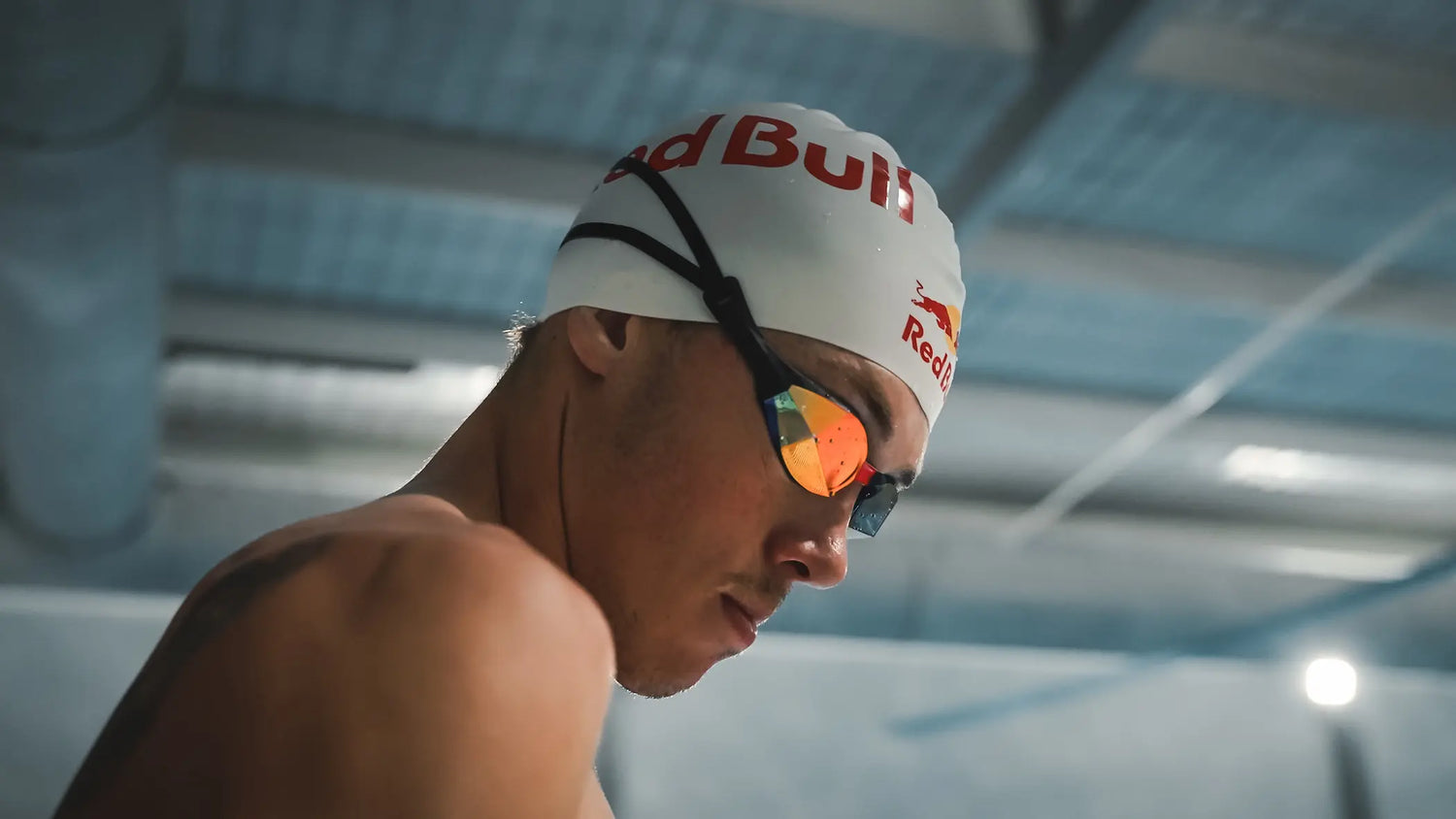
The real difference isn't the look, it's how the suit behaves once you're moving fast through water. Here's the side-by-side.
| Factor | One-Piece | Bikini |
|---|---|---|
| Drag | Lower, smooth, continuous surface | Higher in practice, may shift or ride up |
| Security | High, stays secure during turns and dives | Lower, more likely to shift during movement |
| Freedom of Movement | Excellent with racerback or cross-back designs | Good when properly fitted, but varies by design |
| Support | Consistent built-in support | Varies depending on style |
| Coverage | Full coverage | Minimal coverage |
| Chlorine Durability | Designed for frequent swimming | Varies, many styles prioritize fashion over durability |
Drag is what slows you down, and a suit that shifts mid-stroke works against you. A close-fitting one-piece presents a smooth, continuous surface and holds its position, so nothing disrupts your line through the water. A bikini can be fine when it's snug and sporty, but loose or fashion-focused cuts tend to move, and every adjustment costs you rhythm.
This is where the one-piece really separates itself. Push-offs, flip turns, and dives put sudden force on your suit. A one-piece with a racerback or cross-back stays anchored, so you're not tugging bottoms back into place after every wall. Bikinis are far more likely to shift during these movements, which is why most lap and competitive swimmers avoid them for serious sessions.
A good training suit should feel like a second skin, secure without restricting your shoulders. One-pieces with open, closed backs free up your stroke while providing consistent, built-in support. Bikinis can allow a full range of motion too, but support is less consistent during hard efforts, and that can mean more distraction and less confidence in the water.
Reach for a one-piece whenever the goal is swimming itself:
A bikini earns its place away from structured training:
If you want some of both, a sporty two-piece with a secure, high-coverage cut is a genuine middle ground: more freedom and convenience than a one-piece, more security than a fashion bikini. It still won't match a one-piece for hard training, but it's a reasonable compromise for lighter swims.
Whatever style you land on, the same fundamentals decide whether it performs:
For a deeper breakdown of choosing a training suit, see our guide to the best one-piece swimsuits for training (future internal link once live).
Whether you're swimming laps, training for competition, or enjoying open-water sessions, the right swimsuit should move with you instead of distracting you. A secure, performance-focused swimsuit helps you stay comfortable and confident through every stroke.
Explore THEMAGIC5 Women's Swimwear to discover swimwear designed for training, durability, and all-day comfort. Pair it with custom-fit swim goggles to build a complete swim kit for your next session.
The suit is only part of a fast, comfortable swim. Clear, secure goggles matter just as much for performance, and this is where THEMAGIC5 fits in. THEMAGIC5 makes custom-fit swim goggles built from a scan of your face, designed for a leak-proof seal in the pool and open water, backed by a 100% fit guarantee.
Round out your kit with two low-cost essentials:
For lap swimming and performance, a one-piece is better, it creates less drag, stays secure through turns and dives, and lets you focus on your stroke. A bikini is a good choice for casual or beach swimming where convenience and coverage matter more than speed.
In practice, usually yes, mainly because bikinis tend to shift and ride up during vigorous swimming, which disrupts your body position. A snug, sporty suit of either style reduces drag, but a well-fitted one-piece is the most reliable for performance.
You can, and a secure, sporty bikini or two-piece works fine for lighter sessions. For serious lap training, though, most swimmers prefer a one-piece so they're not readjusting after every wall.
A well-fitted one-piece in a chlorine-durable fabric with a racerback or cross-back back style. Prioritize a secure fit and durability over fashion details, and buy for a snug fit when dry.
Yes, for some swimmers. A sporty two-piece or tankini offers more convenience than a one-piece and more security than a fashion bikini. A one-piece still has the edge for hard training, but a secure two-piece is a fair compromise for casual swims.
Fit and drag matter more than the style label, a suit that stays put and moves with you helps most. Goggles and a cap also affect comfort and consistency, so it's worth getting your whole kit right, not just the suit.
Please enter your Team Passcode below
From a quick smartphone scan, our internal AI analyzes your facial structure and determines the optimal fit, generating a custom design made only for you. Using specialized machine learning models, we transform your data into perfectly fitted swim goggles. Learn more here.
We offer standard and express shipping options.
USA (Shipped from New York)
Standard: 6-days
Express: 3-days
International (Shipped from New York)
Standard: 14-days*
Express: 3-5 days
*Applies to most countries, variations might apply locally. This will be shown at checkout.