Understanding the Best Age to Start Competitive Swimming
Written byPhilip Moldovanu
Many parents and aspiring swimmers wonder when the best time is to begin competitive swimming. The good news is that there isn't a single age that guarantees success. While many coaches recommend introducing children to competitive swimming between the ages of 5 and 9, every swimmer develops at their own pace.
The best age to start competitive swimming depends on a combination of physical development, emotional readiness, confidence in the water, and a genuine interest in learning. Some swimmers begin racing at a young age, while others discover the sport during their teenage years or even adulthood and still enjoy successful competitive swimming experiences.
Whether your goal is to compete at local swim meets or simply build strong swimming skills, starting with proper technique and a positive mindset is far more important than starting as early as possible.
Many swimming experts agree that ages 5 to 9 provide an excellent window for introducing children to competitive swimming. During these years, most children have developed the coordination, balance, and attention span needed to learn proper swimming strokes while still viewing swim practice as something enjoyable.
However, this age range should be viewed as a guideline rather than a strict rule. Every child develops differently, and some may be ready earlier while others benefit from waiting another year or two before joining a competitive swim team.
Rather than focusing only on age, it's more helpful to ask whether a swimmer is physically and emotionally prepared for structured training.
Physical growth and cognitive development both play important roles in preparing young swimmers for competition.
By around age five, many children have developed the motor skills necessary to begin learning freestyle, backstroke, breaststroke, and other fundamental swimming techniques. As coordination improves, swimmers become better equipped to perform drills, maintain proper body position, and develop efficient stroke mechanics.
Cognitive development is equally important. Young swimmers need to understand coaching instructions, follow pool safety rules, and remain focused during practice sessions. As these skills mature, swimmers are able to build stronger habits that support long-term improvement and healthy swimming progression.
Children in this age group should primarily focus on becoming comfortable in the water through swimming lessons. Lessons emphasize water safety, floating, kicking, breathing, and building confidence through fun activities.
Formal competition is usually not the priority. Instead, these early experiences help children develop a positive relationship with youth swimming that supports future learning.
This is often considered the ideal stage to begin competitive swimming. Swimmers start refining their freestyle and backstroke while gradually learning breaststroke and butterfly. Practices introduce basic drills, proper breathing techniques, and simple race skills in a supportive environment.
At this stage, coaches generally emphasize technique, enjoyment, and burnout prevention over winning races.
Children who begin swimming during these years can still make excellent progress. Training often becomes more structured, introducing endurance work, starts, turns, and race strategy while continuing to improve stroke efficiency.
Many swimmers join local clubs during this period and begin participating in local competitions, building confidence before progressing to higher levels of competition.
Starting competitive swimming as a teenager is far from too late. While swimmers who began earlier may have more technical experience, teenagers often progress quickly thanks to greater strength, coordination, and maturity.
With consistent training and good coaching, many teenagers successfully compete at school, club, and regional competitions, gaining valuable racing experience along the way.
Adults can also enjoy competitive swimming through Masters Swimming programs and local competitions. While reaching elite international levels becomes less likely when starting later in life, competitive swimming remains an excellent way to improve fitness, challenge yourself, and enjoy the sport for years to come.

Ever try custom-fit swimming goggles? Well now's your chance! We're offering 50% off goggles to blog visitors only.
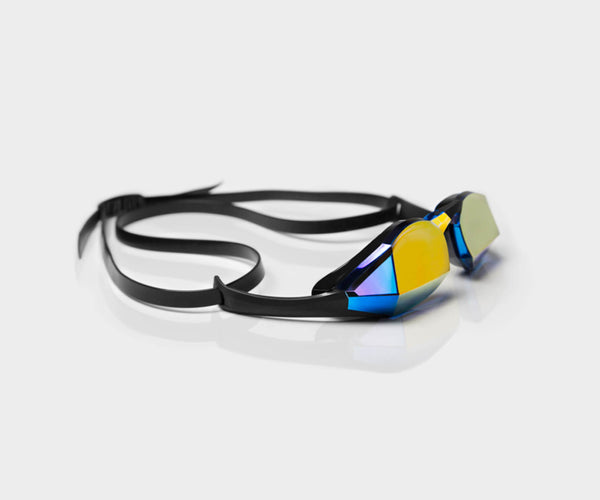
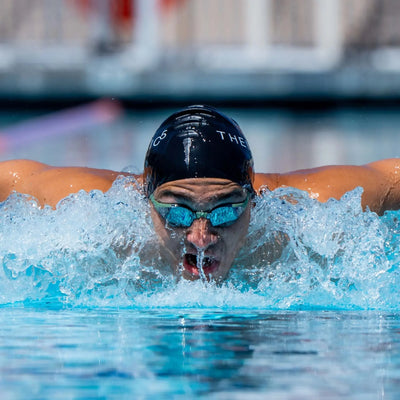
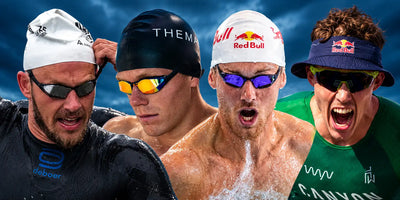
Here's why TheMagic5 Custom-Fit Swimming Goggles are worn by some of the fastest swimmers in the world:
Perfect Fit: No more constant adjustments, so you can focus on your training.
Enhanced Comfort: Comfortable fit means you can train longer without discomfort.
Improved Performance: Less drag for more efficient swimming.
We use a scan of your face which you submit to our app, and we create a pair of goggles that match your face perfectly.
Age is only one factor when deciding whether someone is ready to join a competitive swim team.
Some signs that a swimmer may be prepared include:
When these qualities are present, swimmers are often able to transition smoothly from swimming lessons into more structured training, setting the foundation for becoming a confident competitive swimmer.
Many swimmers begin with beginner swimming programs before joining a competitive swim team. Understanding the difference between these stages helps set realistic expectations for both swimmers and parents.
Swimming lessons focus on water safety, confidence, and learning fundamental skills such as floating, breathing, and basic stroke mechanics. Competitive swimming builds on these foundations through structured training, technique refinement, endurance development, and racing experience.
As swimmers gain confidence, swim practice gradually becomes more challenging. Young athletes learn starts, turns, pacing, race strategy, and how to improve each of the four competitive strokes while continuing to strengthen proper technique.

Parents play an important role in creating a positive competitive swimming experience.
During the early years, practices should focus on learning, having fun, and developing confidence rather than winning races. As swimmers gain experience, training volume and competition schedules naturally increase, but maintaining a healthy balance between swimming, school, family life, and recovery remains essential.
Supporting a child's progress means celebrating improvement, encouraging consistent effort, and remembering that every swimmer develops at their own pace.
It's also important to choose a swim program that emphasizes long-term athlete development instead of early specialization. Programs that prioritize gradual swimming progression and burnout prevention often help young swimmers remain engaged, motivated, and excited about the sport for many years.
Absolutely.
Although many elite swimmers begin training as children, there is no age limit for enjoying competitive swimming. Teenagers and adults can still make significant improvements with quality coaching, consistent practice, and realistic goals.
Starting later may mean spending more time developing technique, but maturity, discipline, and physical strength can often help older beginners learn quickly. Whether your goal is to compete in local meets, join Masters Swimming programs, or simply challenge yourself, it's never too late to begin.
The most important factor isn't when you start. It's how consistently you're willing to learn, practice, and improve.
Successful swimmers are built over years, not months.
Long-term athlete development focuses on gradually improving swimming skills, fitness, confidence, and performance through age-appropriate training. Instead of rushing young swimmers into intense competition, coaches typically introduce new skills as athletes become physically and emotionally ready.
This approach helps reduce the risk of burnout while allowing swimmers to develop strong technical foundations that support long-term success. As swimmers continue their swimming progression, they gain confidence, improve technique, and become more prepared for higher levels of competition.
Whether a swimmer starts at age six or sixteen, consistent practice, quality coaching, and patience remain the keys to continued improvement.
As swimmers begin attending regular practices and competitions, having comfortable, reliable equipment becomes increasingly important. Constantly adjusting leaking goggles can distract swimmers from developing proper technique and enjoying their time in the water.
Custom-fit swim goggles are designed to match the unique shape of your face, providing a secure, leak-free fit for training, swimming lessons, and race day. Whether you're just getting started with competitive swimming or preparing for your next meet, having goggles that fit properly helps reduce distractions so you can focus on building confidence, improving technique, and enjoying every session in the pool.
Most coaches recommend introducing competitive swimming between the ages of 5 and 9, when children have typically developed the coordination, confidence, and attention span needed for structured training. However, every swimmer develops differently, and readiness is often more important than age alone.
No. Many swimmers begin competitive swimming around age 10 and continue to make excellent progress. With consistent coaching and practice, swimmers can develop strong technique and enjoy successful competitive experiences.
Yes. Teenagers often learn quickly because they have greater physical strength, coordination, and maturity. While they may need extra time to refine technique, they can still compete successfully at school, club, and regional competitions.
Children should feel comfortable in the water, follow instructions, and demonstrate basic proficiency in freestyle and backstroke. Confidence, enthusiasm, and a willingness to learn are just as important as technical ability.
No. While many elite athletes begin during childhood, others discover competitive swimming later and still become successful competitive swimmers. Long-term improvement depends more on consistent training, quality coaching, and enjoying the process than on starting at a specific age.
The best age to start competitive swimming is generally between 5 and 9, but there is no single age that guarantees success. Every swimmer follows a unique path based on their physical development, confidence, motivation, and opportunities to learn.
Whether someone begins swimming as a young child, a teenager, or an adult, building strong fundamentals, practicing consistently, and enjoying the journey are the foundations of long-term success. With supportive coaching, age-appropriate training, and the right equipment, swimmers of all ages can continue improving while developing a lifelong love for the sport.
Please enter your Team Passcode below
From a quick smartphone scan, our internal AI analyzes your facial structure and determines the optimal fit, generating a custom design made only for you. Using specialized machine learning models, we transform your data into perfectly fitted swim goggles. Learn more here.
We offer standard and express shipping options.
USA (Shipped from New York)
Standard: 6-days
Express: 3-days
International (Shipped from New York)
Standard: 14-days*
Express: 3-5 days
*Applies to most countries, variations might apply locally. This will be shown at checkout.