So bekommen Sie den Körper eines Schwimmers: Eine umfassende Anleitung
Written byNiklas Hedegaard
Jan 4, 2026
Many people admire the lean, athletic physique of swimmers and wonder how they can achieve a similar look. While genetics play a role, a swimmer's body is primarily built through consistent training, proper nutrition, recovery, and healthy lifestyle habits.
Swimming is one of the few activities that combines cardiovascular fitness, muscular endurance, and full-body strength in a low-impact workout. In this guide, you'll learn what defines a swimmer's body, how to train for one, and what to realistically expect from your fitness journey.
A swimmer's body is typically characterized by a lean physique, strong shoulders, a well-developed back, a stable core, and muscular legs. Rather than focusing on size alone, swimming develops balanced, functional strength that supports endurance and efficient movement in the water.
Everyone's body responds differently to exercise, so your results will depend on factors such as genetics, training consistency, nutrition, and recovery.
Yes. While competitive swimmers often have physical traits that support performance, most people can develop many of the characteristics associated with a swimmer's physique.
Regular swimming, strength training, proper nutrition, and adequate recovery can improve muscle tone, cardiovascular fitness, posture, and overall body composition regardless of your starting point.
Swimming should form the foundation of your training. Different strokes emphasize different muscle groups while providing an excellent full-body workout.
Freestyle (Front Crawl)
Primarily develops the shoulders, back, arms, and core while improving endurance.
Backstroke
Strengthens the back muscles, shoulders, and core while promoting better posture.
Butterfly
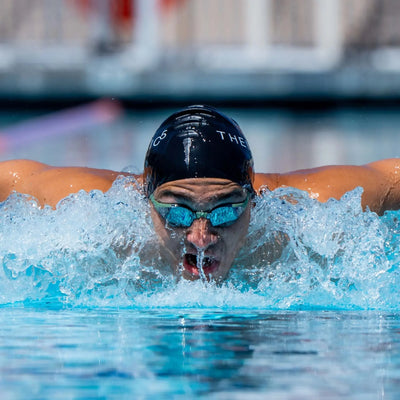
One of the most demanding strokes, butterfly develops the chest, shoulders, arms, and core while improving power and coordination.
Breaststroke
Targets the chest, shoulders, hips, glutes, and inner thighs through its unique kicking motion.
For beginners, aim to swim two to three times per week. As your fitness improves, gradually increase your training frequency while allowing time for recovery.
Swimming builds endurance, but strength training helps develop muscle and improve performance.
Exercises such as:
can strengthen the muscles used during swimming and help reduce injury risk.
Mobility is essential for efficient swimming.
Stretching or practicing yoga several times a week can:

Swimming helps build lean muscle while improving endurance, but combining swimming with resistance training generally produces better strength and muscle development.
Strength training complements swimming by improving power, supporting stroke efficiency, and helping swimmers maintain proper technique during longer workouts.
Results vary depending on your fitness level, consistency, and nutrition.
Many people notice improvements in endurance and muscle tone within six to eight weeks of regular swimming. More noticeable body composition changes often take several months of consistent training combined with healthy eating and sufficient recovery.
Rather than focusing only on appearance, track improvements in strength, stamina, technique, and overall fitness.

Training alone isn't enough. Nutrition plays a major role in supporting muscle recovery and overall performance.
A balanced swimming diet should include the following:
Eating a balanced meal after swimming can also help replenish energy stores and support recovery.
Getting enough sleep is just as important as training.
Aim for seven to nine hours of quality sleep each night to support muscle recovery, hormone balance, and athletic performance.
Managing stress through activities such as walking, stretching, or meditation can also improve recovery and help maintain consistent training habits.
Many swimmers slow their progress by making a few common mistakes:
Consistency over time will produce better results than occasional intense workouts.
The longer you train, the more important comfortable equipment becomes.
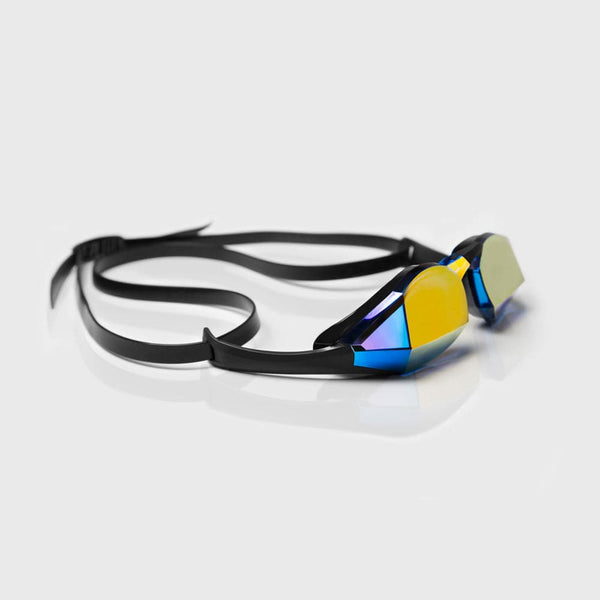
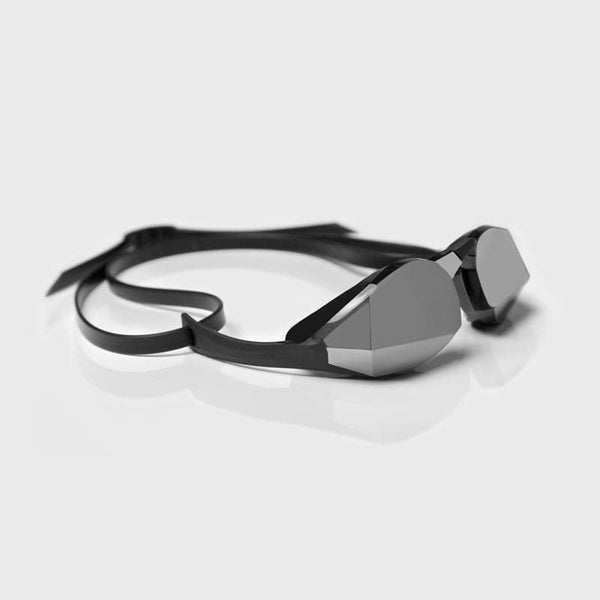
Well-fitting swim goggles help you focus on technique instead of constantly adjusting your gear during workouts. Choosing goggles that provide a secure seal and clear vision can make long swim sessions more enjoyable, whether you're training in the pool, preparing for a triathlon, or swimming in open water.
A swimmer's body typically refers to a lean, athletic physique with strong shoulders, back, core, and legs developed through regular swimming and strength training.
Yes. While genetics influence body shape, consistent swimming, strength training, healthy nutrition, and recovery can help most people develop a stronger, leaner physique.
Many people notice improvements within six to eight weeks, while more significant body composition changes usually require several months of consistent training.
Yes. Swimming develops lean muscle throughout the body, particularly in the shoulders, back, arms, core, and legs. Combining swimming with strength training can further improve muscle development.
Beginners can start by swimming two to three times per week. Intermediate and advanced swimmers often train four to six times weekly, depending on their goals.
Swimming can support weight loss by burning calories and improving cardiovascular fitness. Combining regular swimming with a balanced diet is generally the most effective approach.
Swimming engages the shoulders, chest, back, arms, core, glutes, hips, and legs, making it one of the most effective full-body workouts.
Comfortable swim gear, including properly fitting goggles, can help you focus on technique and enjoy longer training sessions with fewer distractions.
Achieving a swimmer's body is about more than spending time in the pool. It requires consistent swimming, strength training, balanced nutrition, proper recovery, and realistic expectations.
Whether your goal is improving fitness, building lean muscle, or becoming a stronger swimmer, steady progress and healthy habits will produce the best long-term results. Focus on building a sustainable routine, celebrate your improvements along the way, and enjoy the journey toward becoming a healthier, stronger version of yourself.
Ever tried custom-fit swimming goggles? Well now's your chance! We're offering 50% off goggles to blog visitors only.
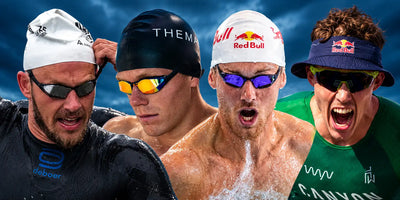
Here's why TheMagic5 Custom-Fit Swimming Goggles are worn by some of the fastest swimmers in the world:
Perfect Fit: No more constant adjustments, so you can focus on your training.
Enhanced Comfort: Comfortable fit means you can train longer without discomfort.
Improved Performance: Less drag for more efficient swimming.
We use a scan of your face which you submit to our app, and we create a pair of goggles that match your face perfectly.
Please enter your Team Passcode below
From a quick smartphone scan, our internal AI analyzes your facial structure and determines the optimal fit, generating a custom design made only for you. Using specialized machine learning models, we transform your data into perfectly fitted swim goggles. Learn more here.
We offer standard and express shipping options.
USA (Shipped from New York)
Standard: 6-days
Express: 3-days
International (Shipped from New York)
Standard: 14-days*
Express: 3-5 days
*Applies to most countries, variations might apply locally. This will be shown at checkout.